


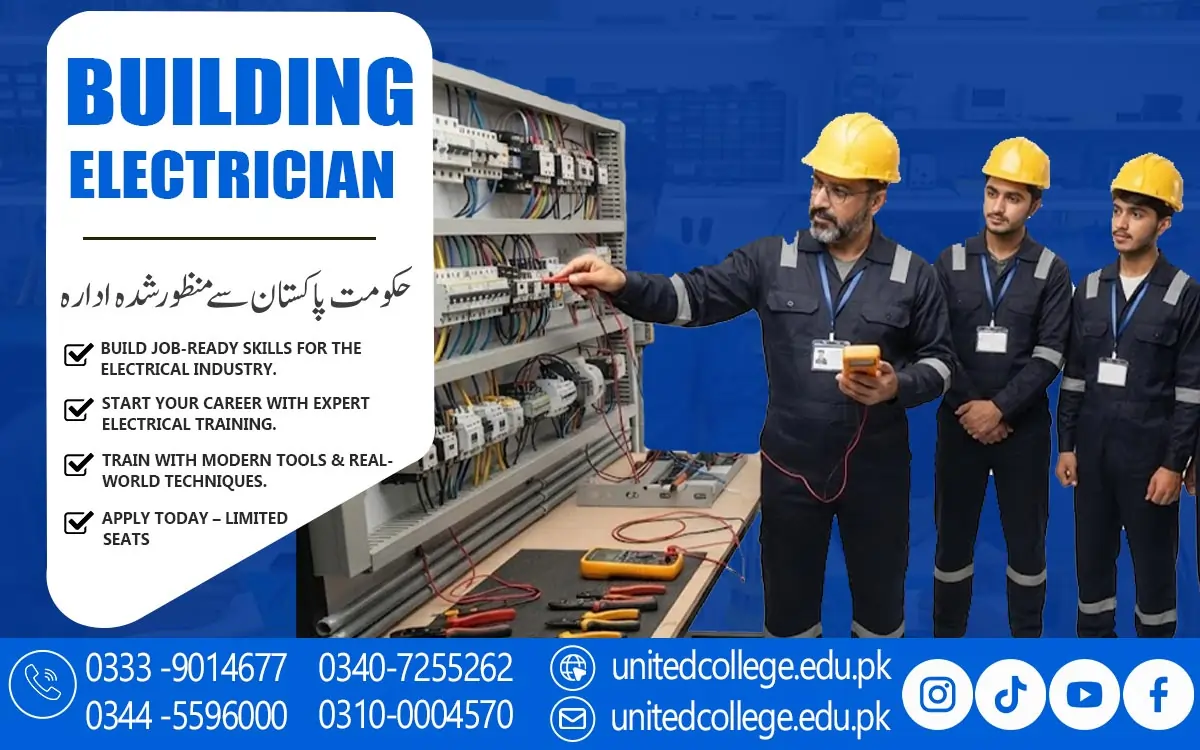

Building Electrician Course in Wazirabad for Wiring Skills
Getting Familiar with Residential Electrical Work
Residential electrical work plays an important role in making homes comfortable, functional, and safe. A Building Electrician Course in Wazirabad introduces students to the basic electrical tasks commonly performed in houses, including lighting connections, switches, sockets, fans, and other electrical points. Learners begin by understanding how electricity is distributed within a residential building.
Students also learn how different electrical points are planned according to the requirements of a room or building. They become familiar with basic wiring layouts and understand how electrical connections are arranged for bedrooms, kitchens, offices, shops, and other areas. This foundation helps learners develop a better understanding of practical electrical work.
The course also emphasizes careful working habits because electrical systems require proper attention and safety awareness. Students learn why electrical work should be performed systematically instead of making connections without understanding the circuit. These basic concepts can help learners become more confident when performing practical tasks.
Studying Different Types of Building Wiring
Building Electrician Course wiring can vary according to the structure, electrical requirements, and purpose of a property. Students learn about commonly used wiring arrangements and how electrical cables are routed through different parts of a building. Understanding these methods helps learners recognize the importance of organized wiring in residential and commercial environments.
During training, learners explore how wiring is connected to switches, lighting points, sockets, fans, and other electrical fittings. They learn to understand simple wiring diagrams and identify the purpose of different wires within an electrical circuit. This knowledge provides a useful foundation for practical installation work.
Students are also introduced to the importance of neat and organized wiring. Properly arranged wiring can make future inspection and maintenance easier. By studying different wiring methods, learners gradually develop the technical understanding required for basic building electrical projects.
Understanding Electrical Fittings and Accessories
Electrical fittings and accessories are important parts of a building's electrical system. Students become familiar with items such as switches, sockets, holders, distribution boards, circuit breakers, junction boxes, and other commonly used components. They learn the basic purpose of these items and where they are normally used.
The training helps learners understand that every electrical accessory has a specific function. For example, switches control electrical loads, sockets provide connection points, and protective devices help manage electrical circuits. Understanding these functions allows students to work more carefully during installation and maintenance activities.
Learners also gain awareness of selecting suitable accessories for different applications. They study how electrical fittings should be installed and connected according to the requirements of the circuit. This practical knowledge can help students develop better preparation for residential and commercial electrical work.
Learning Safe Methods for Power Connections
Electrical safety is one of the most important areas of building electrician training. Students learn why power connections must be handled carefully and why proper safety procedures should be followed before working on electrical circuits. The Building Electrician Course introduces learners to basic precautions that can reduce unnecessary electrical risks.
Learners are taught the importance of checking the electrical supply before starting practical work. They also learn about suitable protective equipment, safe handling of tools, and maintaining a controlled working environment. These practices encourage students to develop responsible habits while performing electrical tasks.
Safety knowledge is useful for both beginners and experienced technicians. A small mistake in electrical work can create serious problems, so students are encouraged to follow systematic procedures. Through training and practice, learners can develop a stronger understanding of safe electrical working methods.
Exploring Circuit Testing and Inspection
Testing and inspection are important skills for a building electrician because electrical connections need to be checked before they are considered ready for use. Students learn basic methods for examining circuits, connections, and electrical points. They become familiar with the purpose of testing tools used during electrical inspection.
Learners are introduced to common testing procedures that can help identify problems such as loose connections, incorrect wiring, or interrupted circuits. Instead of depending on assumptions, students learn to approach electrical faults through systematic checking. This method can make troubleshooting more organized and practical.
Regular inspection can also help identify potential electrical issues before they become more serious. Students learn why connections, wiring routes, switches, sockets, and protective devices should be examined carefully. These skills can become useful when working on new installations as well as existing electrical systems.
Handling Common Maintenance Requirements
Electrical systems may require maintenance due to regular usage, damaged components, loose connections, or other common issues. Students learn about basic maintenance requirements found in residential and commercial buildings. They develop an understanding of how electricians inspect electrical points and identify areas that may require attention.
Training also introduces learners to common electrical problems and their possible causes. Issues such as faulty switches, damaged sockets, loose wiring, and lighting problems can require careful inspection. Students learn to approach these problems step by step instead of replacing components without identifying the actual issue.
Maintenance knowledge is particularly valuable for electricians who may work with existing buildings. A technician needs to understand how to inspect an electrical system while maintaining safety throughout the process. Practical training helps learners improve their ability to perform basic maintenance tasks responsibly.
Strengthening Technical Knowledge Through Practice
Practical training allows students to apply the electrical concepts they study in a controlled learning environment. Learners can practice basic wiring, fitting installation, circuit testing, and other electrical activities under suitable supervision. This approach helps connect theoretical knowledge with practical work.
Hands-on activities can also help students become more familiar with electrical tools and equipment. Instead of only learning the names of tools, learners develop an understanding of how they are used during common electrical tasks. Repeated practice can gradually improve accuracy, confidence, and working discipline.
Practical experience is especially useful for students who want to build a career in electrical work. By working through different tasks, learners can better understand how electricians approach real-world projects. This training can provide a useful foundation for further technical learning and professional development.
Preparing for Opportunities in Building Electrics
A Building Electrician Course in Wazirabad can provide learners with the foundational knowledge to enter the electrical field. After developing basic skills, students may explore opportunities related to residential wiring, building maintenance, electrical installation, and general technician work. Their career direction can depend on their skills, experience, and further training.
The demand for electrical services exists across homes, shops, offices, workshops, and construction projects. Skilled electricians may work as assistants initially and gradually take on more responsibilities as their practical experience develops. Continuous learning can help technicians continually improve their technical skills.
For learners in Wazirabad, developing a strong foundation in building electrics can be a useful step toward a technical career. Combining safety awareness, theoretical understanding, practical training, and troubleshooting skills can help students prepare for future opportunities. With consistent practice and professional discipline, learners can continue building their capabilities in the electrical field.
Frequently Asked Questions (FAQs)
The course covers residential wiring, electrical fittings, circuit testing, safety procedures, maintenance, and basic troubleshooting techniques.
Yes, practical activities help students understand wiring, electrical tools, fittings, testing methods, and common building electrical tasks.
Yes, beginners can join the course to develop basic electrical knowledge and gradually build practical skills through structured training.
Students can develop skills in building wiring, electrical connections, fitting installation, circuit inspection, maintenance, safety, and basic fault identification.
Students may explore work opportunities in residential wiring, building maintenance, electrical installation, construction projects, workshops, and technician-related roles.
Admission Open: Start Your Professional Journey Today!
Join United College of Technology and build a career with practical training, recognized certifications, and Gulf job support. Seats are limited.
Apply Now via WhatsAppContact Information
- Address: Rawalpindi: F-272 Main New Katarian Stop, Old IJP Road | Lahore Campus: Lahore, Pakistan
- Phone/WhatsApp: 0340-7255262 / 0333-9014677 / 0301-5044340 / 0310-0004570 / 051-8770756
- Website: unitedcollege.edu.pk
















Leave a Comment