


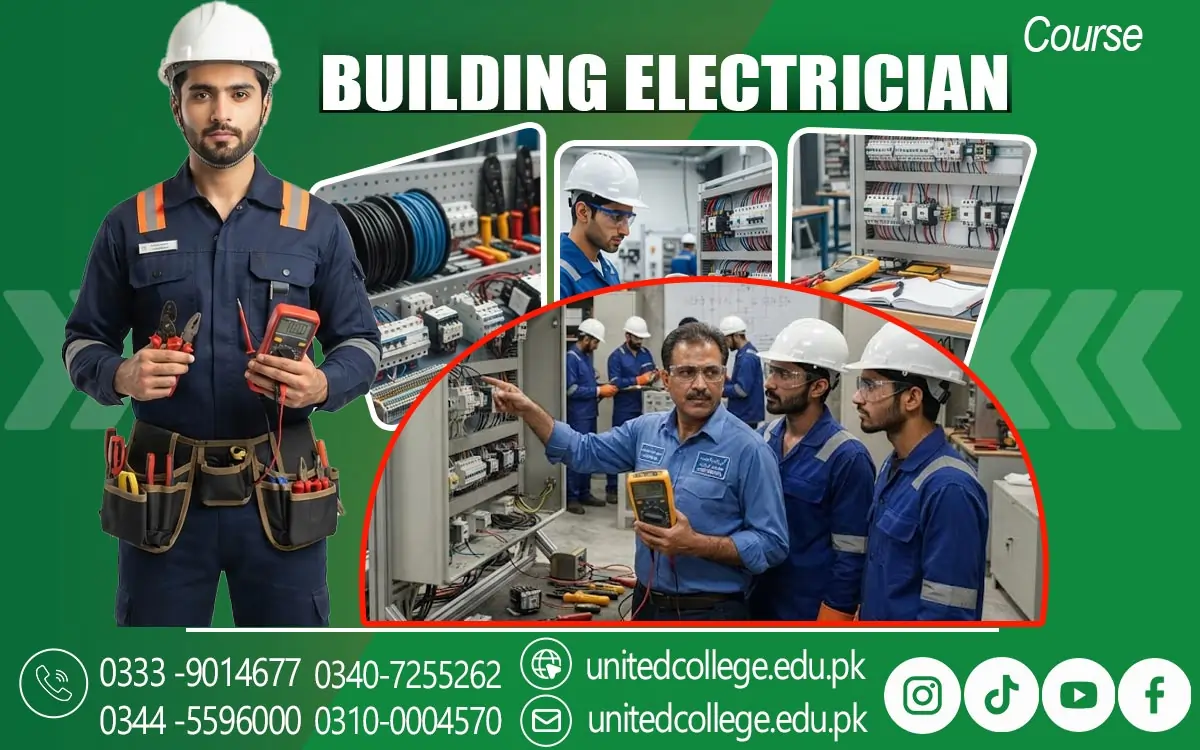

Building Electrician Course in Lodhran for Power System Training
Exploring the Basics of Electrical Installation
Electrical installation is an important part of every residential and commercial building. A Building Electrician Course in Lodhran introduces students to the basic concepts involved in installing electrical systems. Learners begin by understanding how electricity reaches different areas of a building and how electrical points are arranged according to their purpose.
Students become familiar with common electrical components used during installation work. These may include wires, switches, sockets, circuit breakers, junction boxes, distribution boards, and other fittings. Understanding the function of each component helps learners develop a stronger foundation before moving toward more practical electrical tasks.
The course also introduces students to organized installation practices. Learners understand why electrical work needs proper planning and careful execution. This basic knowledge can help them approach electrical projects with greater confidence and develop habits that are useful for future technical work.
Understanding Building Power Distribution
Building Electrician Course distribution allows electricity to reach different rooms and electrical points within a building. Students learn how electrical power is distributed from the main supply toward various circuits. They explore the basic role of distribution boards and protective devices used in building electrical systems.
Learners also study how separate circuits can be arranged for lighting, sockets, fans, and other electrical loads. Understanding these arrangements helps students recognize how different parts of a building receive electrical power. This knowledge is useful when studying both new installations and existing electrical systems.
Proper power distribution also requires attention to safety and organization. Students learn why circuits should be planned carefully and why connections need to be inspected before use. Developing this understanding can help learners perform electrical tasks more systematically.
Learning Practical Wiring and Fitting Techniques
Wiring is one of the main practical areas covered in building electrician training. Students learn about different wiring arrangements and how electrical cables are routed between switches, sockets, lights, and other points. Practical exercises help learners understand how theoretical wiring concepts are applied in real situations.
Students also practice working with common electrical fittings and accessories. They learn how different components are positioned and connected according to the requirements of an electrical circuit. These activities allow learners to become more familiar with the tools and materials used by electricians.
Accuracy is important when performing wiring work because incorrect connections can affect the performance of an electrical system. Learners are encouraged to work carefully and follow organized procedures. With repeated practice, they can improve their ability to complete basic wiring and fitting tasks.
Working with Lighting and Electrical Fixtures
Lighting systems are an important part of residential, commercial, and other buildings. Students learn how lighting points are planned and connected with switches and electrical circuits. They also become familiar with common fixtures used to provide suitable lighting in different areas.
The Building Electrician course introduces learners to different types of lighting arrangements and basic fixture installation practices. Students can explore how lights are connected in rooms, corridors, offices, shops, and other spaces. This helps them understand how electrical fixtures contribute to the functionality of a building.
Learners also develop awareness of proper handling during fixture installation and maintenance. They learn why electrical supply should be dealt with carefully before working on a fixture. Such practices help students build a responsible approach toward electrical installation work.
Recognizing Issues in Building Connections
Electrical connections can develop problems because of loose wiring, damaged components, incorrect connections, or regular wear. Students learn about common issues that electricians may encounter in building electrical systems. They are introduced to signs that may indicate a problem with an electrical point or circuit.
Rather than immediately replacing a component, learners are encouraged to inspect the circuit and identify the possible cause of the issue. They learn to follow a systematic approach when examining switches, sockets, wiring, and other electrical points. This can improve their basic troubleshooting abilities.
Understanding common connection problems is useful for both installation and maintenance work. Students can develop greater awareness of how electrical faults affect building systems. This knowledge provides a useful foundation for handling basic electrical maintenance tasks safely and carefully.
Applying Testing Methods to Electrical Systems
Testing helps electricians check whether electrical connections and circuits are functioning as expected. Students learn about basic testing methods and the purpose of commonly used electrical testing tools. They develop an understanding of why circuits should be checked before and after certain electrical tasks.
Learners explore how systematic testing can help identify problems within a circuit. They may study issues such as interrupted connections, incorrect wiring, or faulty electrical points. The focus is on developing a careful process rather than making assumptions about the source of an electrical problem.
Regular inspection and testing can also support safer electrical maintenance. Students learn why electrical systems need appropriate checking when faults or unusual performance are noticed. These skills can become valuable as learners progress toward more advanced electrical work.
Developing Accuracy Through Hands-On Training
Hands-on training gives students an opportunity to practice the concepts they learn in the classroom. During practical activities, learners can work with wiring materials, electrical fittings, tools, and testing equipment. This experience helps them understand the actual process involved in basic electrical building work.
Students are encouraged to complete practical tasks with attention to accuracy and proper procedure. They learn that even simple electrical work requires careful measurements, correct connections, and organized working methods. Regular practice can help reduce mistakes and improve technical confidence.
Practical training also allows learners to become more comfortable with common electrician tools and equipment. As they complete different exercises, they can strengthen their understanding of installation, testing, and maintenance procedures. This practical foundation can support their future technical development.
Advancing Toward Professional Electrical Work
A Building Electrician Course in Lodhran can help students develop foundational knowledge for entering the electrical field. After completing basic training, learners may explore opportunities related to building wiring, electrical installation, maintenance, and technician assistance. Further experience and advanced training can help them expand their professional skills.
Electrical work is required in many types of properties, including homes, offices, shops, workshops, and construction projects. Students who continue improving their practical abilities may find different paths within the electrical trade. Their opportunities can depend on their experience, technical skills, and professional approach.
For learners in Lodhran, developing electrical skills can provide a useful starting point for a technical career. Combining practical training with safety awareness, testing knowledge, and accurate working habits can help students prepare for future responsibilities. Continued practice and learning can further strengthen their capabilities in professional electrical work.
Frequently Asked Questions (FAQs)
It covers electrical installation, building wiring, power distribution, lighting fixtures, circuit testing, maintenance, and basic fault identification.
Yes, the course can be suitable for beginners who want to learn electrical concepts and develop practical building electrician skills from the basics.
Students can learn basic wiring, fitting installation, electrical connections, lighting work, testing procedures, and maintenance practices through hands-on training.
Testing helps electricians check circuits and connections and identify possible electrical problems before completing or maintaining an installation.
Students may explore work related to residential wiring, building maintenance, electrical installation, construction projects, and technician assistance.
Admission Open: Start Your Professional Journey Today!
Join United College of Technology and build a career with practical training, recognized certifications, and Gulf job support. Seats are limited.
Apply Now via WhatsAppContact Information
- Address: Rawalpindi: F-272 Main New Katarian Stop, Old IJP Road | Lahore Campus: Lahore, Pakistan
- Phone/WhatsApp: 0340-7255262 / 0333-9014677 / 0301-5044340 / 0310-0004570 / 051-8770756
- Website: unitedcollege.edu.pk
















Leave a Comment