


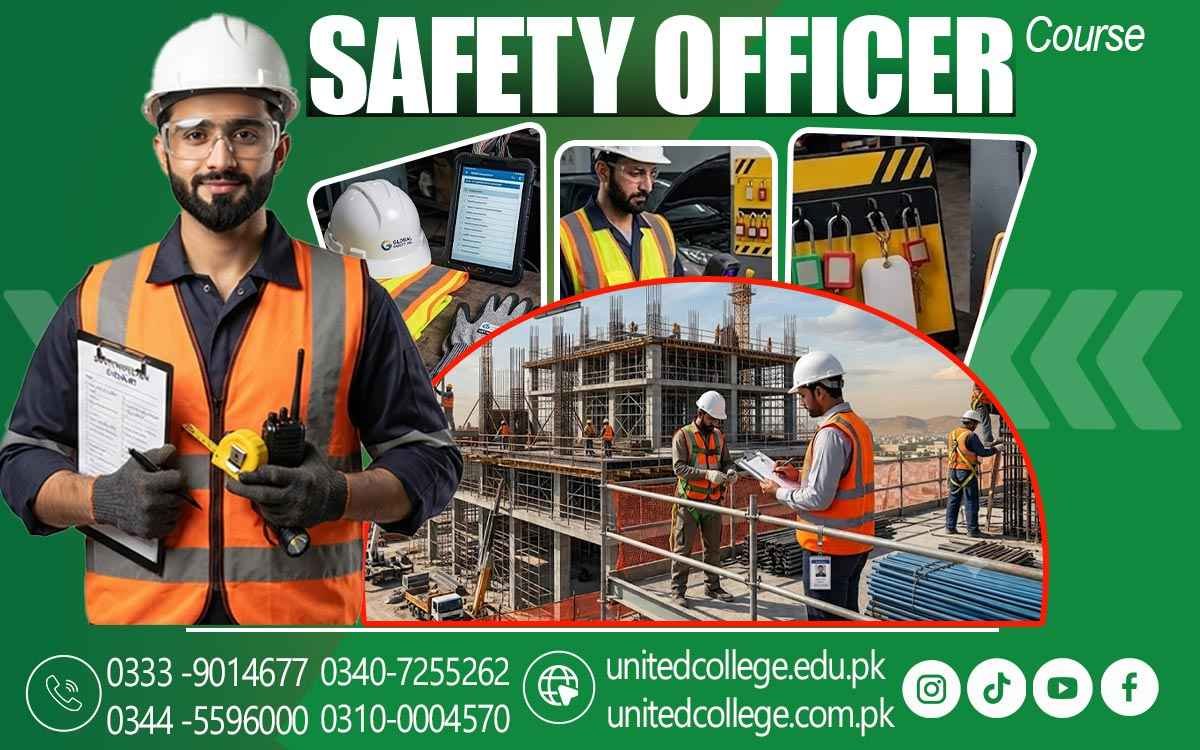

Safety Officer Course in Upper Dir for Occupational Safety
Exploring Essential Workplace Safety Concepts
Workplace safety is essential for protecting employees from injuries, accidents, and dangerous working conditions. Through the Safety Officer Course in Upper Dir, students learn about basic safety principles, workplace regulations, and the responsibilities of safety personnel. They understand how proper planning, regular monitoring, and clear safety instructions can help prevent workplace incidents. These concepts also explain why employers and employees must cooperate to maintain a safe working environment.
Students explore the importance of workplace safety policies, employee awareness, and safe working procedures. They learn that even small mistakes, such as ignoring warning signs or using equipment incorrectly, can lead to serious accidents. Safety officers help reduce these risks by communicating instructions, identifying unsafe practices, and encouraging workers to follow established procedures. This knowledge allows learners to understand how safety management contributes to a more organized and productive workplace.
The Safety Officer Course in Upper Dir introduces learners to the importance of developing a safety-conscious attitude. Students understand that workplace protection is not limited to preventing injuries; it also involves maintaining equipment, keeping work areas organized, and encouraging responsible behavior. These basic concepts provide a foundation for learning more advanced topics in occupational health and safety.
Identifying Potential Hazards at Work
Hazard identification is one of the most important responsibilities in occupational health and safety. Students enrolled in the Safety Officer Course in Upper Dir learn to recognize common workplace hazards, including exposed electrical wires, slippery floors, unsafe machinery, falling objects, poor ventilation, and harmful chemical substances. Understanding these dangers helps learners recognize how accidents can occur and why workplaces need regular inspections.
Students also explore the difference between identifying a hazard and assessing its risk. A hazard is something that can cause harm, while risk relates to the likelihood and potential severity of that harm. For example, an unprotected machine part can injure a worker if appropriate safeguards are missing. Learning to identify these conditions helps future safety officers understand when corrective action is required.
Another important part of hazard identification is observing working conditions and reporting unsafe situations. Students learn why hazards should be communicated to supervisors and why warning signs, protective barriers, and safe operating procedures are important. The Safety Officer Course in Upper Dir develops awareness of these preventive practices and helps learners understand their role in supporting safer workplaces.
Understanding Occupational Health Standards
Occupational health and safety standards provide guidance for maintaining safe working conditions and protecting employees from workplace risks. In the Safety Officer Course in Upper Dir, learners explore safety procedures, employee protection, workplace responsibilities, and the importance of following applicable regulations. They also understand why organizations need clear safety policies and proper communication between management and workers.
Students learn that different industries may involve different hazards and safety requirements. Construction sites may present risks related to heights, heavy materials, and moving equipment, while factories may involve machinery, chemicals, and electrical systems. Understanding these differences helps learners recognize why safety procedures must be appropriate for the workplace and the tasks being performed.
The course also introduces the importance of safety documentation, employee training, and reporting workplace incidents. Proper records help organizations identify recurring problems and monitor improvements in their safety practices. By studying occupational health standards through the Safety Officer Course in Upper Dir, students can develop a stronger understanding of professional safety responsibilities and workplace compliance.
Learning Practical Risk Reduction Techniques
Risk reduction involves identifying possible dangers and taking suitable steps to prevent injuries or minimize harm. Students taking the Safety Officer Course in Upper Dir learn about basic risk assessment methods and practical ways to control workplace hazards. These methods may include securing machinery, improving housekeeping, placing warning signs, maintaining equipment, and establishing clear operating procedures.
Learners also understand that risks should be assessed before work begins, especially when tasks involve heights, electrical installations, heavy equipment, or hazardous substances. A safety officer may observe the work area, identify possible sources of harm, and recommend appropriate protective measures. Students explore why prevention is often more effective than responding after an accident has occurred.
The course highlights the importance of monitoring safety measures after they have been introduced. Workers may need additional instructions, equipment may require maintenance, and working conditions can change over time. By understanding these responsibilities, learners develop useful knowledge of workplace risk management and accident prevention. These concepts can support their preparation for future roles involving occupational safety.
Managing Fire Hazards and Emergency Situations
Fire prevention and emergency management are essential parts of workplace safety. The Safety Officer Course in Upper Dir introduces students to common fire hazards, including electrical faults, flammable materials, unsafe storage practices, and improper equipment use. Learners understand why fire prevention measures, accessible emergency exits, and suitable firefighting equipment are important in workplaces.
Students also explore emergency response procedures and the importance of remaining calm during unexpected incidents. They learn about evacuation routes, emergency alarms, assembly points, and communicating instructions to workers. Regular emergency drills help employees become familiar with the correct procedures and understand how to leave a dangerous area safely.
Another important topic is the role of safety personnel in emergency preparation. Safety officers may help review emergency arrangements, identify blocked exits, report unsafe storage, and support workplace training. The Safety Officer Course in Upper Dir helps learners understand these responsibilities and recognize how effective planning can reduce confusion and improve emergency response.
Following Personal Protective Equipment Guidelines
Personal Protective Equipment (PPE) is used to reduce workers' exposure to specific workplace hazards. During the Safety Officer Course in Upper Dir, students learn about safety helmets, protective gloves, goggles, safety shoes, reflective vests, hearing protection, and respiratory equipment. They understand that the correct equipment depends on the nature of the work and the hazards identified.
Learners also study the importance of inspecting protective equipment before use. Damaged helmets, torn gloves, unsuitable footwear, or poorly maintained respiratory protection may not provide the expected level of protection. Workers should receive appropriate instructions on how to wear, maintain, and store their equipment. Safety officers help reinforce these practices and encourage employees to follow workplace requirements.
However, personal protective equipment should not be considered the only method of controlling hazards. Whenever possible, workplaces should also eliminate hazards or reduce risks through engineering controls and safer work procedures. The Safety Officer Course in Upper Dir introduces learners to this broader approach to safety management and explains why PPE is most effective when used as part of a complete protection plan.
Understanding Safety Audits and Inspections
Safety audits and workplace inspections help organizations identify unsafe conditions and improve their safety systems. Students in the Safety Officer Course in Upper Dir learn why equipment, work areas, emergency exits, protective equipment, and safety procedures should be checked regularly. These inspections can reveal problems that might otherwise lead to injuries, equipment damage, or operational interruptions.
Learners also explore how safety officers document their findings and communicate recommendations to supervisors. For example, an inspection may identify damaged electrical cables, missing warning signs, blocked walkways, or improperly stored materials. Recording these issues helps the responsible personnel understand what needs attention and follow up on corrective actions.
Incident reporting is another important element of effective safety management. Students learn why workplace accidents, near misses, and unsafe conditions should be reported according to established procedures. Reviewing these reports can help organizations identify patterns and improve preventive measures. By studying safety audits and inspections, learners gain foundational knowledge that can support their future responsibilities in occupational health and safety.
Building Knowledge for Safety Officer Careers
The Safety Officer Course in Upper Dir can help students build foundational knowledge for exploring opportunities in the occupational health and safety field. Potential workplaces include construction companies, manufacturing units, warehouses, workshops, and industrial projects. The availability of jobs depends on employer requirements, relevant qualifications, practical experience, and the safety certifications required for particular positions.
During their learning journey, students can develop useful abilities such as hazard identification, risk assessment, safety communication, incident reporting, and workplace observation. These abilities can help them understand how safety procedures are applied in professional environments. They may also learn how safety personnel communicate with workers, supervisors, contractors, and management to encourage compliance with workplace requirements.
For learners who want to progress further, additional training and practical experience can help strengthen their professional knowledge. Depending on their career goals, they may explore further qualifications in occupational health and safety, fire safety, construction safety, or industrial risk management. The Safety Officer Course in Upper Dir provides a starting point for understanding these areas and preparing for further professional development.
Frequently Asked Questions (FAQs)
The Safety Officer Course in Upper Dir teaches students about workplace safety, hazard identification, risk assessment, fire prevention, and accident control. It helps learners understand the basic responsibilities of a safety officer.
Students learn about occupational health and safety standards, workplace hazards, personal protective equipment (PPE), emergency procedures, safety inspections, and risk reduction techniques.
Students and individuals interested in workplace safety can explore this course. The required education and eligibility criteria depend on the institute and the specific course level.
Workplace safety training helps workers recognize hazards, follow safety procedures, use protective equipment correctly, and reduce the risk of accidents and injuries.
A safety officer helps identify workplace hazards, conduct safety inspections, report unsafe conditions, promote the correct use of PPE, and support emergency preparedness.
Admission Open: Start Your Professional Journey Today!
Join United College of Technology and build a career with practical training, recognized certifications, and Gulf job support. Seats are limited.
Apply Now via WhatsAppContact Information
- Address: Rawalpindi: F-272 Main New Katarian Stop, Old IJP Road | Lahore Campus: Lahore, Pakistan
- Phone/WhatsApp: 0340-7255262 / 0333-9014677 / 0301-5044340 / 0310-0004570 / 051-8770756
- Website: unitedcollege.edu.pk
















Leave a Comment