


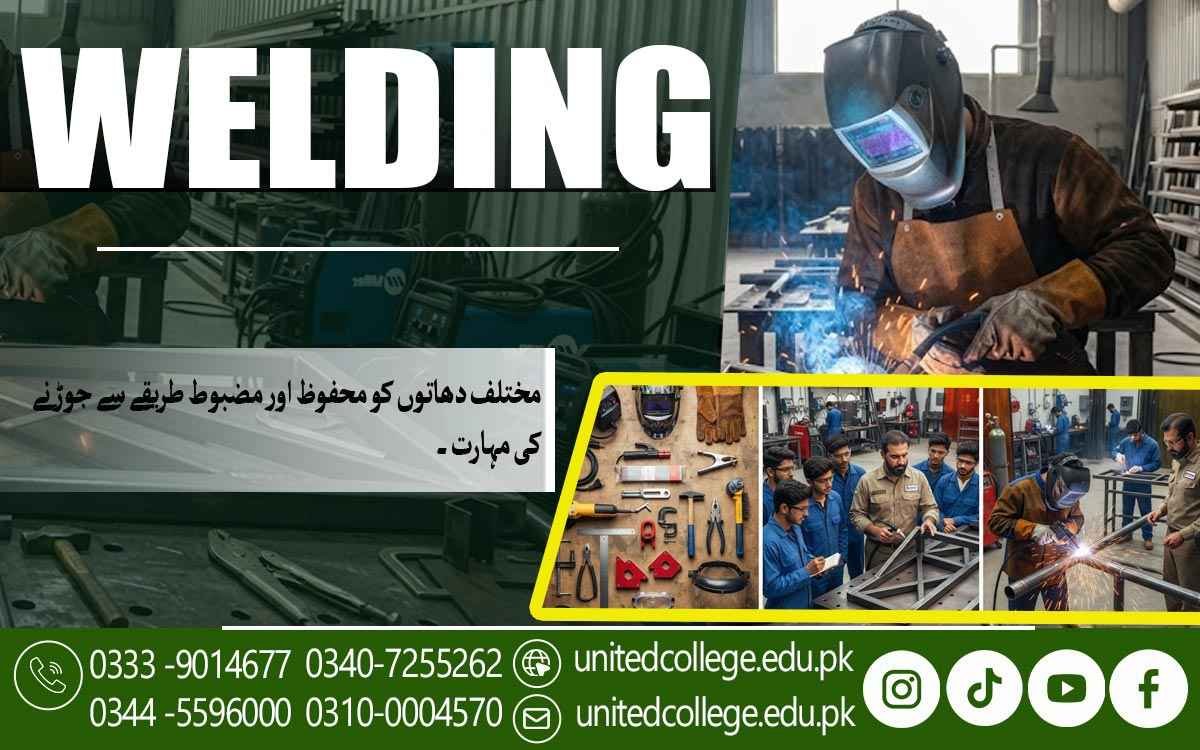

Welding Course in Wazirabad for Practical Joining Techniques
Exploring Common Welding Methods for Metalwork
Welding is an important process used to join metal parts and create strong connections. Different welding methods are selected according to the type of material, thickness, project requirements, and working conditions. Understanding these methods gives beginners a useful foundation for practical metalwork.
The Welding Course in Wazirabad introduces learners to commonly used welding processes and their basic applications. Students can learn how different techniques work and why a particular method may be suitable for a specific metal project. This knowledge helps them understand the variety of work involved in welding.
Learning different methods also allows students to become more flexible during practical tasks. They can understand the importance of selecting the right procedure instead of using the same technique for every project. This creates a stronger foundation for future workshop and fabrication activities.
Selecting Suitable Equipment for Welding Tasks
Every welding task requires suitable tools and equipment. Welding machines, electrodes, clamps, grinders, measuring instruments, and protective gear all have different functions. Knowing how these items work helps learners prepare their work properly before starting a welding operation.
Through the Welding Course in Wazirabad, students can become familiar with essential welding equipment and its practical uses. They can learn how to inspect tools, prepare the work area, and select equipment according to the task. Proper equipment selection can make workshop activities more organized.
Students can also develop good habits related to equipment handling and storage. Keeping tools clean, checking connections, and using equipment according to proper procedures can support safer working conditions. These practices are useful for both beginners and future technical workers.
Developing Control Over Welding Operations
Good welding requires control over movement, position, speed, and equipment handling. Beginners may need regular practice to maintain consistent welding movements and understand how different settings affect the work. Developing this control is an important part of practical welding education.
The Welding Course in Wazirabad can provide learners with opportunities to practice basic welding operations. Students can work on simple metal pieces and gradually become familiar with maintaining suitable movement and positioning. Practical exercises can help improve their confidence with welding equipment.
Control also plays a role in achieving better-looking and more reliable welds. Learners can observe their work and identify areas where adjustments are needed. With repeated practice, they can develop greater awareness of welding technique and work quality.
Studying Heat and Its Effect on Metal
Heat is a central part of most welding processes because it allows metal surfaces to join together. However, excessive or insufficient heat can affect the appearance and condition of the welded material. Understanding the relationship between heat and metal is therefore important for beginners.
During the Welding Course in Wazirabad, learners can study how heat affects different metals and welding situations. They can understand why material thickness, welding speed, and equipment settings can influence the result. This knowledge helps students approach practical work more carefully.
Students can also learn why controlled heat is important when working on different metal sections. Excessive heating may cause unwanted changes, while inadequate heat may result in weak joining. Understanding these basic principles helps learners improve their overall welding practice.
Working with Electrodes and Welding Accessories
Electrodes are important components in several welding processes. Different electrodes may be selected according to the welding method and material being joined. Learning their basic functions helps students understand how welding equipment works together during practical operations.
The Welding Course in Wazirabad can introduce students to different types of electrodes and common welding accessories. Learners can understand basic selection, handling, storage, and usage practices. They can also become familiar with accessories that support positioning and preparation.
Proper handling of welding accessories can contribute to better workshop organization. Students can learn to keep their equipment in suitable condition and prepare the required items before starting a task. These habits can make practical work more systematic and efficient.
Understanding Weld Quality and Surface Finishing
Weld quality is an important consideration in fabrication and repair work. A completed weld can be examined for its appearance, consistency, surface condition, and overall connection. Learning basic quality checks helps students recognize differences between properly performed and poorly performed welding work.
Through the Welding Course in Wazirabad, learners can explore basic factors that influence weld quality. They can study issues such as uneven welds, poor preparation, unwanted surface conditions, and improper technique. Understanding these problems can help students identify areas that require improvement.
Surface finishing is another part of completing a welding task. Grinding, cleaning, and removing unwanted material may be required depending on the project. Students can learn how finishing techniques contribute to a cleaner and more suitable final result.
Managing Workshop Safety During Practical Work
Welding workshops involve heat, sparks, electrical equipment, fumes, and sharp or heavy metal pieces. For this reason, safety should be considered throughout every practical activity. Students need to understand how to prepare their workspace and use suitable protective equipment.
The Welding Course in Wazirabad can teach learners about basic welding safety procedures. These may include using welding helmets, gloves, protective clothing, suitable footwear, and eye protection. Students can also learn the importance of ventilation and keeping the working area organized.
Safe equipment handling is equally important during practical sessions. Learners can be taught to inspect machines and connections before use and keep flammable materials away from welding areas. Developing these habits can support a safer and more responsible workshop environment.
Preparing for Everyday Fabrication Responsibilities
Fabrication involves several steps, including measuring, cutting, positioning, joining, and finishing metal components. Welding is often an important part of this process. Understanding how these activities connect can help learners develop a broader view of practical metalwork.
The Welding Course in Wazirabad can help students connect their welding knowledge with everyday fabrication tasks. They can practice working with different metal pieces and understand how accurate measurements and proper positioning affect the final project. Practical assignments can make this learning more meaningful.
Students can gradually develop the ability to approach basic fabrication responsibilities in an organized way. They can learn to inspect their work, identify common problems, and make suitable adjustments. This practical foundation can support future learning in welding, fabrication, maintenance, and related technical fields.
Frequently Asked Questions (FAQs)
The course covers common welding methods, equipment selection, welding operations, electrodes, weld quality, surface finishing, workshop safety, and basic fabrication practices.
Yes, learners can develop practical knowledge through workshop activities involving welding equipment, metal joining, joint preparation, and fabrication tasks.
Students can become familiar with welding machines, electrodes, clamps, grinders, measuring tools, and protective equipment used during welding work.
Proper heat control helps achieve better metal joining and can reduce problems caused by excessive or insufficient heating during welding operations.
Yes, beginners can study the basic principles of welding and gradually develop practical knowledge through structured learning and workshop exercises.
Admission Open: Start Your Professional Journey Today!
Join United College of Technology and build a career with practical training, recognized certifications, and Gulf job support. Seats are limited.
Apply Now via WhatsAppContact Information
- Address: Rawalpindi: F-272 Main New Katarian Stop, Old IJP Road | Lahore Campus: Lahore, Pakistan
- Phone/WhatsApp: 0333-9014677 / 0344-5596000 / 0310-0004570 / 0301-5044340 / 0340-7255262
- Website: unitedcollege.edu.pk
















Leave a Comment