


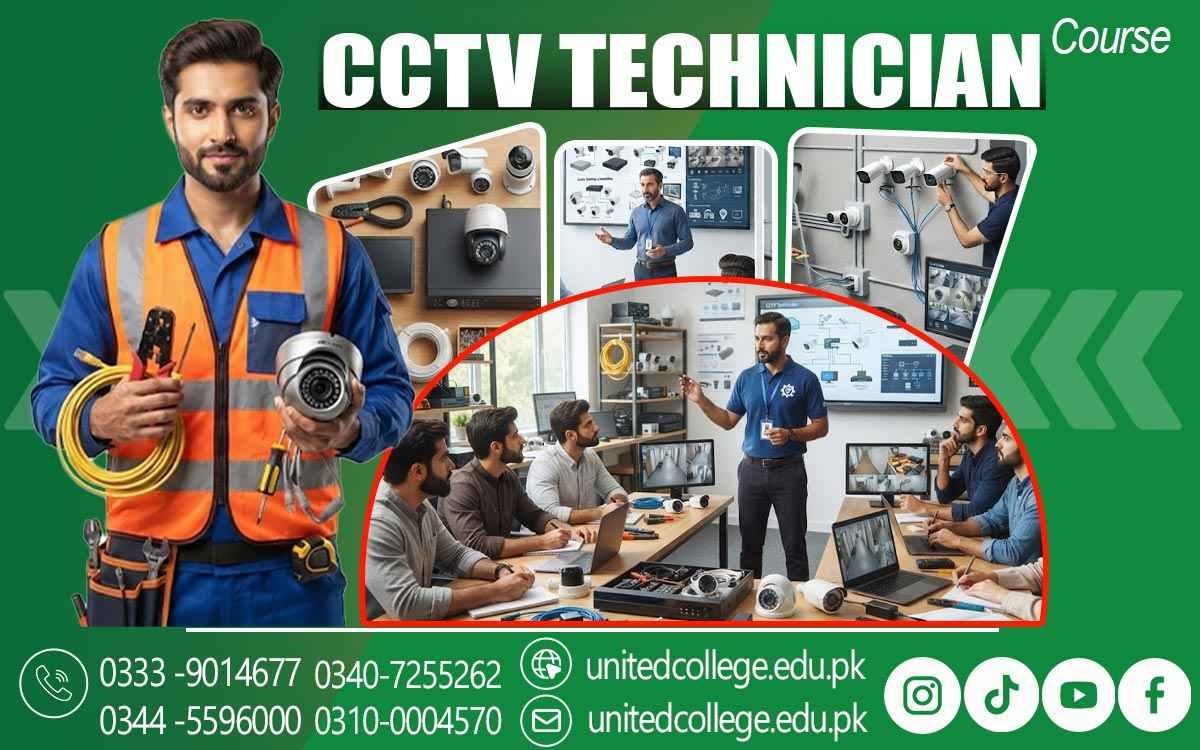

CCTV Technician Course in Sargodha with Advanced CCTV Training
Overview of CCTV Technology and Security Solutions
CCTV technology has become one of the most important security solutions in the modern world. It is widely used in homes, offices, shopping centers, banks, educational institutes, hospitals, and industrial areas to provide better protection and monitoring. The increasing demand for reliable security systems has created many opportunities for skilled CCTV technicians who can install and manage these technologies professionally.
A CCTV system works by using cameras, recording devices, monitoring screens, and networking equipment to capture and manage video footage. In this training, students learn how different components of surveillance systems work together and how CCTV technology helps organizations improve safety, prevent unauthorized activities, and maintain proper security records. The CCTV Technician Course in Sargodha provides students with knowledge about modern surveillance solutions and their practical uses.
Learners understand different security requirements and how suitable CCTV systems can be designed according to specific locations. This foundation helps students move toward advanced installation, configuration, and maintenance skills. Modern CCTV systems are continuously improving with new features such as high-definition cameras, smart detection, cloud monitoring, and remote access facilities. Understanding these technologies enables students to stay updated with industry developments and prepare themselves for professional opportunities.
Learning Practical Surveillance System Installation
Professional CCTV installation requires technical knowledge, accuracy, and practical experience. A properly installed surveillance system ensures better image quality, wider coverage, and long-term performance. The CCTV Technician Course in Sargodha focuses on teaching students the complete installation process according to professional standards.
Students learn how to analyze security requirements before installing cameras. They understand how to choose suitable camera locations, calculate viewing areas, install mounting equipment, connect cables, and complete the initial setup process. These skills help learners perform installation tasks confidently in different environments.
The training also covers practical installation methods for residential buildings, offices, commercial areas, and industrial locations. Students learn how environmental conditions, lighting, and camera angles affect surveillance quality and how proper planning improves system efficiency. Through hands-on practice, learners develop the ability to handle real CCTV installation projects. This practical experience prepares them to work as professional technicians and provide reliable security installation services to clients.
Exploring Different Types of Security Cameras
Understanding different types of security cameras is an important part of becoming a successful CCTV technician. Different locations require different surveillance solutions, and technicians must know various camera models and their applications. This course introduces students to commonly used CCTV cameras and modern security devices.
Students learn about analog cameras, IP cameras, dome cameras, bullet cameras, and other advanced surveillance equipment. They understand the features, benefits, and suitable applications of each camera type to make better decisions during installation projects.
The course also explains CCTV accessories and supporting equipment, including cables, connectors, power supplies, storage devices, and monitoring systems. Knowledge of these components helps students understand complete CCTV setups and troubleshoot technical issues more effectively. By exploring different security cameras, students become capable of designing suitable surveillance solutions according to customer requirements. This knowledge improves their technical abilities and increases their confidence in handling professional CCTV projects.
Mastering CCTV Recording and Setup Skills
Recording and configuration skills are essential parts of professional CCTV technician training. A surveillance system is incomplete without proper recording equipment because recorded footage helps in reviewing past activities and improving security management. The CCTV Technician Course in Sargodha teaches students how to install, configure, and manage different recording systems used in modern security solutions.
Students learn about DVR (Digital Video Recorder), NVR (Network Video Recorder), and IP-based recording systems. They understand how cameras are connected with recording devices, how storage settings are managed, and how video quality can be adjusted according to security requirements. This knowledge helps learners handle different types of CCTV projects professionally.
The training also covers practical setup procedures, including camera connection, recording schedules, playback options, user management, and system testing. Students gain confidence in configuring CCTV systems and ensuring that all components work properly together.
With strong recording and setup skills, learners can provide complete surveillance solutions for homes, offices, industries, and commercial buildings. These abilities improve their professional performance and create better career opportunities in the security technology field.
Improving Repair and Troubleshooting Abilities
Repair and troubleshooting are important skills for every CCTV technician because security systems may face technical problems during operation. Issues such as camera failure, unclear video, power problems, damaged cables, or recording errors require proper technical knowledge to solve effectively.
During the CCTV Technician Course in Sargodha, students learn how to identify common CCTV problems and apply suitable solutions. They practice checking different system components, testing connections, diagnosing faults, and restoring damaged systems to proper working conditions.
The course also focuses on preventive maintenance techniques that help improve the performance and lifespan of CCTV equipment. Students learn how regular inspection and proper maintenance can reduce system failures and ensure continuous security monitoring. By developing troubleshooting abilities, learners become capable of providing complete CCTV services, including installation, repair, and maintenance. These skills increase their demand in the market and help them build a successful career as professional technicians.
Learning CCTV Networking and Remote Monitoring
Modern CCTV systems are increasingly based on networking technology, making networking skills important for professional technicians. IP cameras, remote access features, and online monitoring solutions allow users to manage security systems from different locations.
Students in the CCTV Technician Course learn the basics of CCTV networking, including IP addresses, network connections, camera configuration, and remote access setup. This knowledge helps them understand how surveillance devices communicate through networks.
The training also introduces students to remote monitoring solutions that allow CCTV footage to be viewed through computers, smartphones, and other devices. Learners understand how to configure these features and provide advanced security solutions to customers. By gaining CCTV networking skills, students become prepared to work with modern surveillance technologies. These abilities help technicians handle advanced projects and improve their professional growth in the security industry.
Future Career Options for CCTV Experts
The demand for skilled CCTV technicians is increasing in Pakistan due to the growing importance of security and surveillance systems. Businesses, educational institutes, residential areas, and industries require trained professionals who can install, maintain, and manage CCTV solutions.
After completing the CCTV Technician Course in Sargodha, students can explore various career opportunities in security companies, technology firms, construction projects, and private organizations. They can work as CCTV installers, surveillance technicians, maintenance experts, or technical support professionals.
Skilled technicians also have the option to start their own CCTV installation and repair services. With practical experience and updated technical knowledge, professionals can build a strong reputation and develop a successful career in the security field. The continuous advancement of CCTV technology creates new opportunities for trained individuals. Learning modern surveillance systems helps technicians remain competitive and achieve long-term career growth.
Achieving Professional Growth Through Training
Professional training plays an important role in developing technical skills and preparing individuals for successful careers. The CCTV Technician Course in Sargodha provides students with practical knowledge of surveillance systems, installation techniques, networking, configuration, and maintenance procedures.
Through hands-on learning, students gain confidence in handling real-world CCTV projects. They learn how to manage different security requirements and provide effective solutions according to customer needs.
As technology continues to improve, trained CCTV professionals have better opportunities for career advancement. Continuous learning and improvement of technical abilities help technicians stay updated with modern security trends. By completing professional CCTV training, students can enhance their expertise and prepare themselves for employment opportunities or independent work. This course provides a strong pathway toward a successful future in the growing CCTV and security technology industry.
Frequently Asked Questions (FAQs)
The CCTV Technician Course in Sargodha is a professional training program designed to teach students about CCTV installation, camera configuration, wiring, networking, troubleshooting, and maintenance of modern security systems.
This course is suitable for beginners, students, job seekers, and individuals who want to develop technical skills in the security industry. Anyone interested in CCTV technology can join this training.
Students learn CCTV camera installation, DVR and NVR setup, IP camera configuration, CCTV networking, remote monitoring, system maintenance, and troubleshooting techniques required for professional work.
Yes, the course focuses on practical learning. Students get hands-on experience with CCTV cameras, recording devices, wiring methods, configuration procedures, and solving common technical problems.
The training covers different types of surveillance cameras, including analog cameras, IP cameras, dome cameras, bullet cameras, and other modern security devices used in residential and commercial areas.
Admission Open: Start Your Professional Journey Today!
Join United College of Technology and build a career with practical training, recognized certifications, and Gulf job support. Seats are limited.
Apply Now via WhatsAppContact Information
- Address: Rawalpindi: F-272 Main New Katarian Stop, Old IJP Road | Lahore Campus: Lahore, Pakistan
- Phone/WhatsApp: 0340-7255262 / 0333-9014677 / 0301-5044340 / 0310-0004570 / 051-8770756
- Website: unitedcollege.edu.pk
















Leave a Comment