


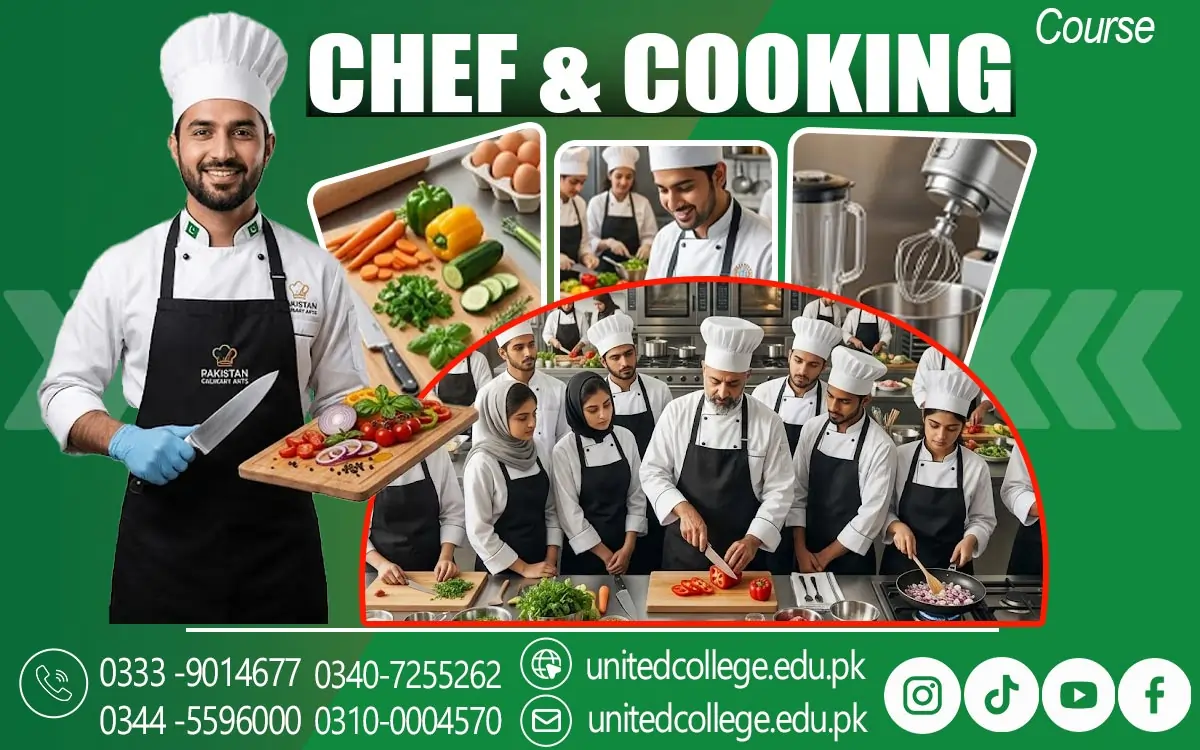

Chef and Cooking Course in Batagram Food Preparation Expertise
Chef and Cooking Course in Batagram for Practical Culinary Skills and Creative Kitchen Learning
Cooking is more than preparing food; it is a practical skill that combines creativity, careful planning, and an understanding of ingredients. A well-prepared meal depends on choosing suitable ingredients, using the right cooking method, controlling heat, and presenting food neatly. The Chef and Cooking Course in Batagram helps beginners, students, fresh learners, and job seekers build these skills step by step. Learners do not need professional kitchen experience to begin.
They can start with familiar recipes and gradually understand the techniques used in professional kitchens. Cooking education can also help people become more organized, patient, and confident when working with food. For learners in Batagram, developing culinary knowledge may be useful for everyday life as well as future interests in restaurants, hotels, catering, bakeries, and other food-related activities.
Build a Strong Foundation Through Everyday Food Preparation
Good cooking begins before a pan reaches the stove. Ingredient preparation helps cooks work efficiently and follow recipes with fewer mistakes. Learners need to understand how to wash vegetables, peel fruits, trim ingredients, and prepare food in suitable sizes. Cutting techniques such as chopping, slicing, dicing, and mincing serve different purposes.
Through the Chef and Cooking Course in Batagram training, beginners can learn to read instructions carefully, arrange ingredients before cooking, and select the right utensils for each task. A simple vegetable dish is a useful starting point because it allows learners to practise cleaning, cutting, measuring, and arranging ingredients. Once they become comfortable with these steps, they can move towards more detailed recipes.
Discover the Cooking Methods Behind Delicious and Consistent Meals
Different cooking methods create different results, so learners need to understand when and how to use them. Boiling cooks food in hot water, while steaming uses hot vapour and can help retain the natural shape of delicate ingredients. Frying uses hot oil to cook food, grilling applies direct heat, and baking uses heat inside an oven. Sautéing involves cooking ingredients quickly in a small amount of oil, usually while stirring or turning them.
In Basic Cooking Techniques, beginners can practise simple tasks such as boiling rice, frying an egg, grilling suitable vegetables, or preparing a basic baked dish. They can learn to recognize signs of undercooking, overcooking, and burning. Seasoning also affects the final result. Salt, herbs, spices, and other flavouring ingredients should be added carefully to complement the main ingredients.
Transform Prepared Dishes with Thoughtful Presentation and Balanced Flavours
A meal should taste good, but its appearance also influences how people experience it. Food presentation involves arranging dishes neatly, choosing suitable serving plates, and using colours and textures in a balanced way. Learners can begin by serving familiar meals in clean dishes and keeping the edges of plates free from spills. They can then practise arranging main dishes with suitable side items and using simple garnishes where appropriate.
Flavour development is equally important. Learners can explore how different ingredients work together and how seasoning changes a dish. For example, a sauce may need a little more acidity, while a soup may require better seasoning or a different cooking time. Tasting food carefully during preparation, when safe and appropriate, can help cooks identify these adjustments. Professional Chef and Cooking Training in Batagram can introduce learners to the relationship between flavour, appearance, and serving quality.
Make Food Safety and Clean Working Habits Part of Every Recipe
Safe cooking starts with cleanliness and responsible handling of food. Learners should wash their hands before preparing meals, clean work surfaces, and use properly washed utensils. Raw meat, poultry, seafood, and ready-to-eat foods should be kept separate to reduce the risk of cross-contamination. Food must also be stored under suitable conditions, with perishable items kept at safe temperatures. Learners should understand the importance of checking food freshness and avoiding ingredients that show signs of spoilage.
Equipment safety is another essential area. Knives require careful handling, hot cookware should be moved with suitable protection, and electrical appliances must be used according to their instructions. Spills should be cleaned promptly to reduce the risk of slipping, and kitchen tools should be returned to suitable storage places after use. Food Safety and Hygiene are not separate from cooking; they are part of every preparation task. Beginners who develop these habits early can create a safer environment for themselves and others.
Improve Kitchen Organization Through Planning, Timing, and Teamwork
A busy kitchen requires more than cooking ability. Staff must organize ingredients, follow preparation schedules, manage utensils, and coordinate different tasks. Chef and Cooking Course in Batagram helps learners develop Kitchen Management Skills and understand how to arrange work before cooking begins. For instance, preparing vegetables and measuring spices in advance can prevent interruptions when a dish is already on the stove. Menu planning is another useful activity.
Learners can also practise creating a simple cooking schedule so that different parts of a meal are ready at the right time. Teamwork matters when several people share kitchen duties. Clear communication helps everyone understand their responsibilities and reduces confusion. Time management encourages cooks to prioritize important tasks without ignoring hygiene or quality. Responsibility is equally valuable because kitchen staff must care for ingredients, tools, and the people who will eat the food.
Explore Baking, Recipe Accuracy, and New Culinary Challenges
Baking allows learners to expand their skills beyond meals prepared on a stove. Bread, biscuits, cakes, pastries, and other baked foods depend on accurate measurements and suitable preparation methods. Unlike some everyday dishes, baking often requires close attention to ingredient quantities, mixing order, temperature, and cooking time. A small change in measurements may affect the finished product, so beginners should follow recipes carefully. Starting with a simple biscuit or basic cake can help them understand how ingredients combine and how heat changes the mixture.
Once they become familiar with the process, they can explore more advanced recipes. Recipe accuracy is useful in other areas of cooking as well. Following clear instructions helps learners repeat a dish and identify which step needs improvement when the result differs from expectations. Keeping brief notes about measurements and cooking times can also support progress. Cooking Skills Development takes patience because not every attempt will produce the expected result. Rather than becoming discouraged, learners can review their method, identify possible mistakes, and try again.
Connect Culinary Learning with Real Food Service Settings
Cooking skills can be applied in several parts of the food industry. Restaurants need people who understand ingredient preparation, cooking methods, cleanliness, and consistent serving practices. Hotels may prepare a variety of meals for guests, while catering services organize food for gatherings and events. Bakeries focus on products such as bread, cakes, and pastries, which require their own preparation techniques. Culinary knowledge may also be useful for people interested in preparing food at home or exploring a small food business, subject to relevant local rules and practical requirements.
These are possible directions rather than promises of employment or income. For learners in Batagram, the Chef and Cooking Course in Batagram offers a topic to explore when considering culinary education and practical skill development. The course is offered by United College of Technology for people interested in learning about cooking and food preparation. Anyone considering enrolment should contact the college to confirm current course details, learning arrangements, and other relevant information.
Turn Your Interest in Cooking into a Skill That Keeps Growing
Learning to cook is a gradual process that rewards practice, patience, and attention to detail. Beginners can start with simple meals, learn to measure ingredients correctly, practise safe cutting techniques, and understand how heat affects food. These skills can make everyday food preparation more enjoyable while helping learners understand the standards followed in professional kitchens. For students, fresh learners, and job seekers, the Chef and Cooking Course in Batagram can be a starting point for exploring culinary education and deciding how to develop their abilities further.
Some learners may want to improve their home cooking, while others may wish to explore restaurant work, hotel kitchens, catering, or baking. Whatever their goal, they should focus on learning the basics properly, following food safety practices, and improving through regular hands-on experience. Structured learning provides direction, while continued practice turns knowledge into usable skill.
Frequently Asked Questions (FAQs)
Learners can explore different recipes, observe how ingredients work together, and gradually develop their own approach while keeping dishes balanced and enjoyable.
Kitchen terms help learners understand instructions, follow recipes accurately, communicate with other cooks, and become familiar with professional cooking practices.
Nutrition awareness helps cooks consider variety and balance when planning meals, including suitable combinations of vegetables, grains, protein sources, and other ingredients.
Cooks can calculate ingredient quantities according to the number of servings while maintaining suitable proportions and checking whether cooking times need adjustment.
Studying breakfast, lunch, dinner, snack, and special menu formats helps learners understand how dishes can be grouped and selected for different dining needs.
Learners can listen to comments about taste, appearance, and serving quality, identify areas for improvement, and apply those suggestions during their next cooking practice.
Admission Open: Start Your Professional Journey Today!
Join United College of Technology and build a career with practical training, recognized certifications, and Gulf job support. Seats are limited.
Apply Now via WhatsAppContact Information
- Address: Rawalpindi: F-272 Main New Katarian Stop, Old IJP Road | Lahore Campus: Lahore, Pakistan
- Phone/WhatsApp: 0340-7255262 / 0333-9014677 / 0301-5044340 / 0310-0004570 / 051-8770756
- Website: unitedcollege.edu.pk
















Leave a Comment