


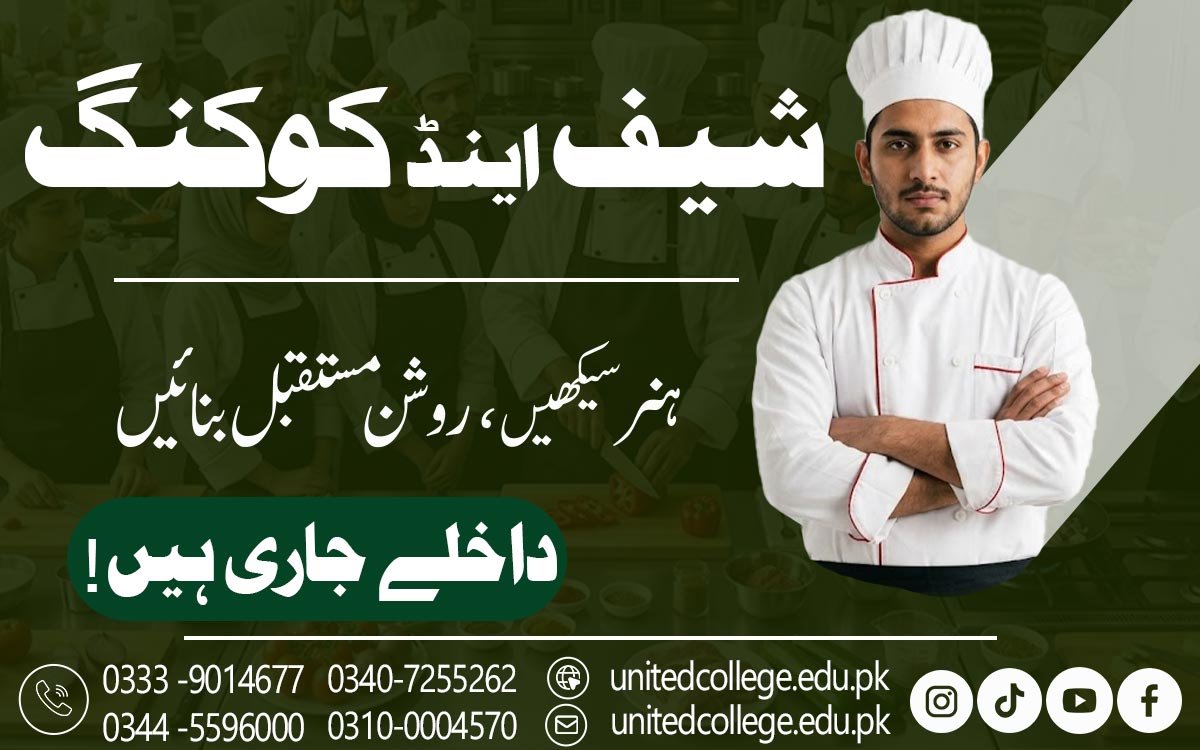

Chef and Cooking Course in Khurram Agency – Master Cooking Techniques
Turning a Passion for Food into Practical Cooking Skills
Enjoying food is one thing, but preparing a delicious meal consistently requires knowledge, practice, and the ability to solve problems. A beginner might follow a recipe exactly and still find that a dish tastes different from what they expected. The reason could be incorrect measurements, unsuitable heat, poor timing, or an imbalance of spices. Practical cooking training helps learners understand these details instead of relying only on guesswork. Through the Chef and Cooking Course in Khurram Agency, students can explore how ingredients behave during cooking, why preparation matters, and how small adjustments can improve the final result.
Culinary learning also introduces learners to the importance of planning before starting a recipe. Preparing ingredients in advance, checking the required equipment, and arranging the workspace can make cooking easier and more organised. Students can also learn to follow instructions carefully while developing the confidence to recognise when a dish needs more time, seasoning, or a different cooking method. These skills are useful at home and can also support further learning in professional kitchens. For people interested in chef training in Khurram Agency, understanding the connection between ingredients, techniques, and results is an important first step.
What Students Can Learn in a Chef and Cooking Course
A chef training course introduces learners to several areas of cooking rather than focusing on a single recipe or dish. The Chef and Cooking Course in Khurram Agency helps learners explore ingredient selection, recipe reading, measurement, food preparation, cooking methods, seasoning, and the correct use of kitchen equipment. They can also learn how to organise tasks so that different parts of a meal are ready at the right time. For example, preparing a complete meal may involve washing vegetables, cutting ingredients, cooking rice, preparing a curry, and arranging everything for serving. Each task requires attention to timing and coordination.
Understanding how spices such as cumin, coriander, turmeric, and chilli affect flavour helps students make better decisions while cooking. Depending on the training syllabus, learners may also explore international dishes, basic baking, sauces, and simple desserts. Recipe reading is another useful skill because it teaches students to understand ingredient quantities, preparation steps, cooking temperatures, and expected results. At United College of Technology (UCT), the course provides a training option for individuals interested in developing cooking knowledge. Students should confirm the current syllabus and practical training arrangements directly with the institution.
Preparing Ingredients and Using Kitchen Tools Correctly
Before a dish reaches the stove, much of the important work has already begun. Incorrectly cut vegetables can cook unevenly, poorly measured ingredients can change a recipe, and unsuitable tools can make preparation slower or less safe. Learning how to prepare ingredients correctly is therefore an essential part of practical cooking training. Students can practise washing produce, peeling vegetables, trimming meat, measuring spices, and cutting ingredients into suitable sizes. Chopping means cutting food into smaller pieces, while slicing produces thinner pieces that may cook more quickly or suit a particular presentation.
Consistent cutting helps ingredients cook more evenly and gives dishes a more professional appearance. Learners can also become familiar with common kitchen tools, including chef’s knives, chopping boards, measuring cups, weighing scales, mixing bowls, peelers, strainers, pans, and cooking pots. Each tool has a particular purpose, and using the right one can improve both efficiency and safety. For example, a stable chopping board reduces movement while cutting, while accurate measurements help maintain a recipe’s flavour and texture. Kitchen organisation is equally important because searching for missing tools during cooking can waste time and interrupt the process.
Mastering Cooking Methods for Different Types of Dishes
Why does one cooking method produce a crisp surface while another keeps food soft and moist? The answer lies in how heat is applied and how ingredients respond to it. A cooking course can help learners understand these differences and select suitable methods for particular dishes. Boiling cooks food in bubbling water, making it useful for items such as pasta, eggs, and certain vegetables. Steaming uses hot vapour and can help vegetables retain their shape without being submerged in water. Frying cooks food in hot oil, while grilling exposes food to direct heat to create a browned surface and distinctive flavour. Roasting uses dry heat, often in an oven, and baking is commonly used for bread, cakes, pastries, and other oven-prepared foods.
Sautéing involves cooking smaller pieces of food quickly in a little oil, usually while stirring or turning them. Each method requires attention to temperature and timing. If oil is too hot, food may burn outside before cooking properly inside. If the heat is too low, fried ingredients may absorb excess oil and lose their desired texture. Pakistani cooking often involves combining several techniques, such as frying onions before adding spices, vegetables, or meat to a curry. Rice preparation also requires suitable water measurements and careful heat control to achieve the desired texture. Through practical cooking training, students can learn how to follow recipes, recognise common mistakes, and adjust their methods when appropriate.
Understanding Food Hygiene, Kitchen Safety, and Cleanliness
A dish can taste excellent, but if it has been prepared with unsafe handling practices, it may cause illness. Food hygiene is therefore just as important as flavour, cooking technique, and presentation. The Chef and Cooking Course in Khurram Agency helps learners understand how bacteria and other contaminants can spread through unwashed hands, dirty equipment, unsafe storage, or contact between raw and ready-to-eat foods. Washing hands properly before handling ingredients and after touching raw meat is a basic but essential habit. Separate chopping boards and utensils should be used where appropriate to reduce cross-contamination, which occurs when harmful microorganisms transfer from one food or surface to another.
Students should also learn the importance of cleaning worktops, washing equipment, covering stored food, and keeping ingredients at suitable temperatures. Raw meat, dairy products, and other perishable items require particular care because leaving them in unsafe conditions can allow harmful bacteria to grow. Cooking food thoroughly and following recognised food-safety guidance can help reduce these risks. Kitchen safety also includes handling hot pans carefully, keeping cloths and other flammable items away from flames, using electrical equipment correctly, and avoiding spills that could cause slips. Knives should be handled attentively and stored safely when not in use. In busy kitchens, cleanliness must continue throughout the cooking process rather than being left until the end.
Learning Food Presentation, Taste, and Portion Control
The first impression of a meal often comes before the first bite. A plate with balanced colours, neatly arranged ingredients, and an appropriate serving size can look more inviting than one where everything is crowded together. Food presentation is therefore an important part of culinary learning, although appearance should never replace taste, hygiene, or proper cooking. Students can learn to arrange food neatly, choose suitable serving plates, control portions, and use garnishes that complement a dish rather than distract from it. Portion control means serving a suitable amount of food to each person. In a professional kitchen, consistent portions help maintain the intended dining experience and make ingredient use easier to manage.
Taste is equally important and depends on several factors, including salt, spices, acidity, sweetness, texture, and aroma. For instance, a curry that tastes too rich may benefit from a suitable balance of acidity, while a dish that lacks depth may need more careful seasoning rather than simply adding extra salt. Learners can practise tasting food safely during preparation and making small adjustments where necessary. They can also explore how ingredients such as fresh herbs, lemon, yoghurt, and spices can influence flavour and appearance. Basic baking and pastry work introduces further skills, because measurements and timing can strongly affect the final texture of cakes, biscuits, and other baked items.
Practising Professional Kitchen Work and Team Coordination
A professional kitchen can become extremely busy when several orders arrive together, ingredients need preparation, and different dishes must be served at nearly the same time. In such an environment, cooking knowledge alone is not enough; organisation, communication, and time management also matter. The Chef and Cooking Course in Khurram Agency introduces learners to the importance of preparing a workstation before cooking, checking ingredients, reading recipes in advance, and arranging tasks in a sensible order. This preparation helps reduce confusion and makes it easier to complete work efficiently.
In larger kitchens, different team members may be responsible for particular tasks, such as preparing vegetables, cooking main dishes, managing desserts, or arranging plates for service. Good communication helps everyone understand what needs to be done and when each item should be ready. Learners can also understand the idea of cleaning as they work, returning tools to suitable places, and keeping preparation areas organised. These habits help maintain hygiene and prevent avoidable delays. Time management is particularly important when preparing meals with different cooking requirements. Rice may need to rest after cooking, meat may require a longer preparation time, and vegetables may become too soft if cooked too early.
Exploring Career Paths in the Food and Hospitality Industry
Cooking skills can be useful in many settings, from preparing food for a small café to supporting the kitchen team of a hotel or catering company. However, the work involved can differ significantly depending on the business, its menu, and the experience required for each position. Learners who complete relevant training and continue developing their abilities may explore entry-level opportunities in restaurants, cafés, hotels, bakeries, catering services, and other food-related businesses. Some may be interested in Pakistani cuisine, while others may wish to learn more about baking, pastry preparation, snacks, or international dishes.
Kitchen assistants commonly support ingredient preparation, cleaning, and other daily tasks, while cooks may prepare specific dishes according to recipes and kitchen instructions. More specialised responsibilities usually require additional practice, experience, and knowledge. Running a small food business is another possibility for some people, but it requires more than cooking ability alone. Food costing, ingredient purchasing, customer service, hygiene requirements, and business planning can all affect its success. The Chef and Cooking Course in Khurram Agency may be a useful starting point for learners who want to understand culinary work and identify areas they would like to develop further.
Building Confidence Through Culinary Training in Khurram Agency
Confidence in the kitchen does not usually appear after preparing one successful meal. It grows when learners repeat essential tasks, understand why mistakes happen, and learn how to correct them. A beginner who once struggled to measure spices may gradually become more comfortable following recipes, while someone who frequently overcooked vegetables may learn to recognise suitable cooking times and textures. The Chef and Cooking Course in Khurram Agency gives interested learners a starting point for exploring these skills through structured culinary learning. By studying ingredient preparation, cooking methods, hygiene, food presentation, and kitchen organisation, students can develop a clearer understanding of what preparing food involves.
Regular practice remains important because different ingredients behave differently, and the same recipe may require adjustments depending on quantities, equipment, and cooking conditions. Keeping simple notes about recipes, measurements, cooking times, and results can help learners track their progress and identify areas for improvement. They can also expand their knowledge by practising traditional Pakistani dishes, learning basic baking, and exploring new flavour combinations. For students and job seekers, culinary training can help clarify whether they want to pursue further learning in restaurant cooking, hotel kitchens, catering, or another food-related area. United College of Technology (UCT) offers the course for those interested in building their cooking knowledge.
Frequently Asked Questions (FAQs)
The Chef and Cooking Course in Khurram Agency introduces students to food preparation, cooking methods, kitchen safety, food hygiene, and presentation techniques. It is suitable for beginners who want to develop their cooking knowledge.
Students can learn ingredient preparation, knife handling, cooking techniques, Pakistani dishes, seasoning, food presentation, kitchen organisation, and basic baking, depending on the course syllabus.
Students, beginners, fresh learners, and individuals interested in cooking or the hospitality industry can consider this course. Contact United College of Technology (UCT) to confirm the current admission requirements.
Practical training may involve preparing ingredients, following recipes, using kitchen equipment, and practising different cooking methods. Contact UCT to confirm the practical training included in the current course.
The duration depends on the institute's schedule and course structure. Prospective students should contact United College of Technology (UCT) for the latest information about course duration.
Admission Open: Start Your Professional Journey Today!
Join United College of Technology and build a career with practical training, recognized certifications, and Gulf job support. Seats are limited.
Apply Now via WhatsAppContact Information
- Address: Rawalpindi: F-272 Main New Katarian Stop, Old IJP Road | Lahore Campus: Lahore, Pakistan
- Phone/WhatsApp: 0340-7255262 / 0333-9014677 / 0301-5044340 / 0310-0004570 / 051-8770756
- Website: unitedcollege.edu.pk
















Leave a Comment