

Chef and Cooking Course in Lower Dir for Kitchen Careers
Exploring the World of Professional Culinary Arts
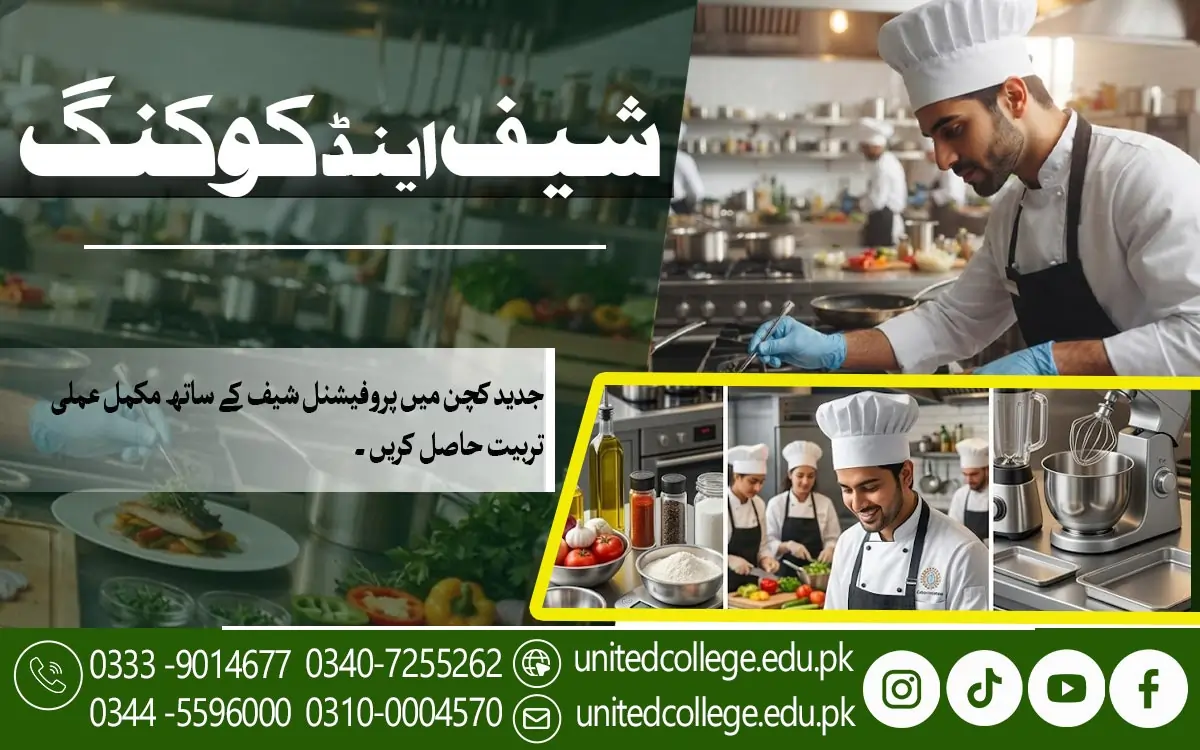
The Chef and Cooking Course in Lower Dir helps students understand the basic principles of culinary arts and professional food preparation. Learners can explore how chefs combine ingredients, cooking techniques, and creativity to prepare meals with suitable taste and texture. They can also learn about different food categories and the responsibilities involved in kitchen work.
Culinary education introduces students to traditional cooking practices and modern food preparation methods. They can discover how recipes differ according to ingredients, cultural preferences, and cooking styles. This knowledge helps beginners understand the variety of dishes prepared in homes, restaurants, and hotels.
Students can also learn why discipline, teamwork, and time management are important in professional kitchens. Following instructions and organizing tasks properly can make cooking more efficient. These basic concepts provide a useful foundation for learners interested in developing their culinary knowledge.
Understanding Food Ingredients and Their Functions
Ingredients play a major role in determining the quality of a dish. Through the Chef and Cooking Course in Lower Dir, students can learn about vegetables, fruits, meat, dairy products, grains, herbs, spices, and other common cooking ingredients. They can understand how each ingredient contributes to the flavor, texture, and appearance of different recipes.
Learners can explore how ingredients work together during cooking. For example, spices add flavor, fats can improve texture, and certain ingredients help provide structure to baked products. Understanding these functions helps students follow recipes more accurately and make suitable choices when preparing meals.
Food freshness and storage are also important considerations. Students can learn how to check ingredient quality, identify signs of spoilage, and store different products appropriately. These practices support better food quality and help reduce unnecessary waste in the kitchen.
Learning Preparation Techniques for Daily Cooking
Proper preparation makes cooking easier and more organized. The Chef and Cooking Course in Lower Dir can introduce students to washing, peeling, chopping, slicing, measuring, and arranging ingredients before cooking begins. These techniques are useful for preparing vegetables, meat, fruits, and other food products.
Learners can practice different cutting methods and understand how ingredient size affects cooking time. They can also learn to use knives, chopping boards, measuring tools, and other kitchen utensils safely. Accurate preparation helps maintain consistency and can improve the appearance of finished dishes.
Organizing ingredients before starting a recipe is another valuable habit. Students can arrange the required items, measure seasonings, and prepare utensils in advance. This approach helps reduce delays and allows them to complete cooking tasks in a more systematic way.
Practicing Heat Control and Cooking Methods
Heat control is an important part of preparing food successfully. During the Chef and Cooking Course in Lower Dir, students can explore how temperature and cooking duration influence flavor, texture, and food quality. They can learn why some dishes require gentle heat while others need higher temperatures.
Learners can become familiar with common cooking methods, including frying, grilling, baking, steaming, boiling, and roasting. Each method has different uses depending on the ingredients and desired result. Students can understand how to choose suitable techniques for vegetables, meat, rice, baked products, and other meals.
Practicing these methods can improve confidence and consistency in the kitchen. Students can also learn about the safe handling of hot oil, ovens, pans, and cooking equipment. Regular practice helps them understand the relationship between heat, timing, and the quality of prepared food.
Creating Appealing and Well-Presented Dishes
Food presentation can make a meal more attractive and enjoyable. In the Chef and Cooking Course in Lower Dir, students can learn how to arrange food neatly, select suitable plates, and use garnishes appropriately. They can explore how colors, shapes, textures, and portion sizes contribute to the overall appearance of a dish.
Garnishing can improve presentation when it complements the food being served. Learners can explore the use of fresh herbs, vegetables, sauces, and other suitable ingredients to add visual interest. They can also understand why decoration should remain practical and should not affect the taste or quality of the meal.
Students can practice plating different dishes while focusing on cleanliness and consistency. These techniques are useful in restaurants, hotels, and catering services, where customers often notice the appearance of food before tasting it. Developing presentation skills can help aspiring chefs improve the quality of their work.
Applying Food Safety and Cleanliness Standards
Food safety is essential in every kitchen because improper handling can cause contamination and foodborne illness. The Chef and Cooking Course in Lower Dir can help students understand personal hygiene, handwashing, clean work surfaces, and the proper handling of ingredients. These habits support safer food preparation.
Learners can also study the importance of separating raw and cooked foods. Using clean utensils, storing ingredients at appropriate temperatures, and checking food freshness can help reduce contamination risks. Students can understand why cleanliness must be maintained throughout the cooking process rather than only after the work is completed.
Kitchen safety includes the careful use of knives, electrical appliances, hot surfaces, and other equipment. Students can learn basic precautions to reduce the risk of burns, cuts, and other accidents. Following these practices helps create a safer environment for kitchen staff and customers.
Learning Kitchen Coordination and Meal Planning
Kitchen coordination involves organizing ingredients, equipment, and cooking tasks so that meals can be prepared efficiently. Through the Chef and Cooking Course in Lower Dir, students can learn how to arrange their work, follow recipes in sequence, and manage preparation time. These practices are particularly useful when several dishes need to be prepared together.
Meal planning helps determine which dishes to prepare and what ingredients are required. Learners can explore how to select suitable meals according to available ingredients, customer preferences, and serving requirements. They can also understand how preparation schedules help ensure that dishes are ready at the appropriate time.
Managing food portions and supplies is another important part of kitchen organization. Students can learn how to measure ingredients, estimate quantities, and reduce food waste. These basic management techniques can be useful in restaurants, catering businesses, and small food ventures.
Building Knowledge for Culinary Career Development
The Chef and Cooking Course in Lower Dir can help students understand potential career paths in the culinary and hospitality industries. Depending on their training, experience, and qualifications, learners may explore entry-level roles such as kitchen assistant, junior cook, bakery assistant, or catering worker.
Working in a professional kitchen requires more than cooking knowledge. Employees must follow instructions, maintain hygiene, cooperate with colleagues, and manage their responsibilities carefully. Students can learn about these expectations and understand how practical experience can help them improve their performance.
Some learners may eventually consider starting a small food business, such as home-based baking, meal preparation, or catering. Developing culinary knowledge can provide a useful starting point, while business planning, customer service, budgeting, and consistent food quality are also important for long-term progress.
Frequently Asked Questions (FAQs)
The course covers culinary fundamentals, ingredient selection, food preparation, cooking methods, presentation, kitchen hygiene, and basic meal planning.
Yes, beginners can learn fundamental cooking concepts and gradually build their knowledge through practical training and regular practice.
Proper heat control helps achieve the desired texture, flavor, and cooking results while reducing the risk of burning or undercooking food.
Students should understand ingredient freshness, storage, preparation, flavor combinations, and how different ingredients affect a recipe.
They can practice neat plating, suitable portion sizes, balanced colors, and appropriate garnishing techniques.
Admission Open: Start Your Professional Journey Today!
Join United College of Technology and build a career with practical training, recognized certifications, and Gulf job support. Seats are limited.
Apply Now via WhatsAppContact Information
- Address: Rawalpindi: F-272 Main New Katarian Stop, Old IJP Road | Lahore Campus: Lahore, Pakistan
- Phone/WhatsApp: 0340-7255262 / 0333-9014677 / 0301-5044340 / 0310-0004570 / 051-8770756
- Website: unitedcollege.edu.pk
















Leave a Comment