


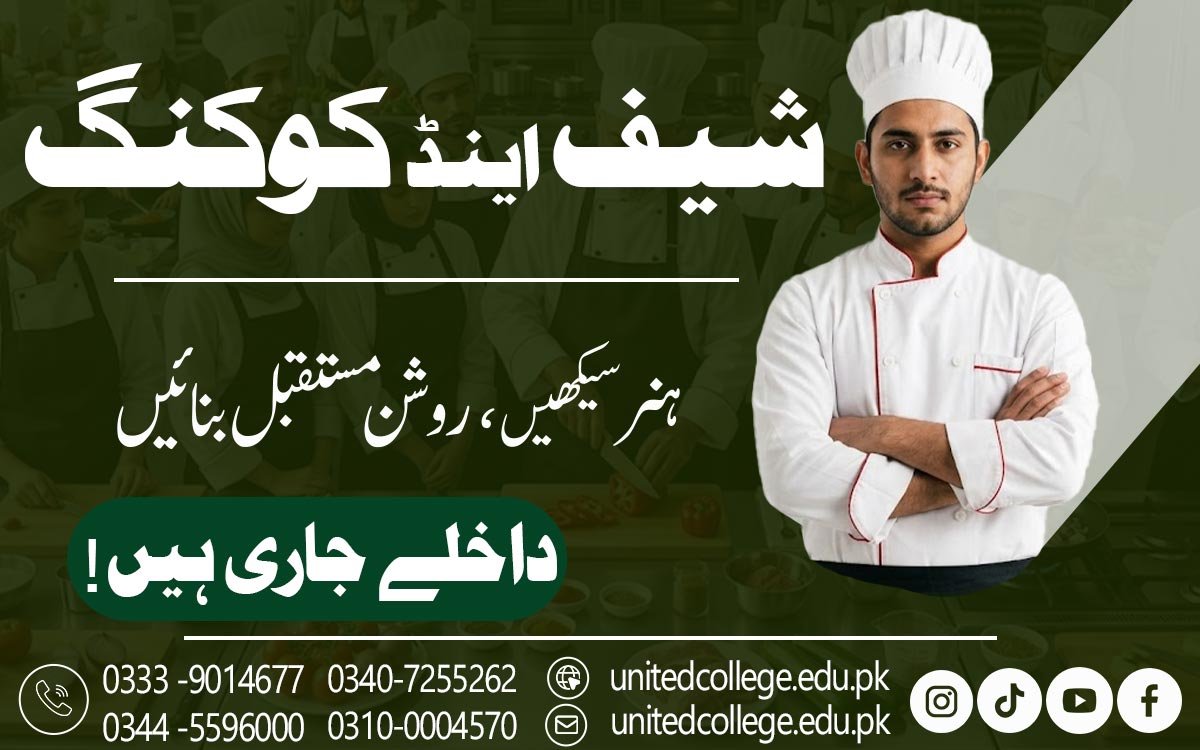

Chef and Cooking Course in Swabi for Modern Cuisine
Exploring the Basics of Food Preparation
Food preparation is the foundation of professional cooking. Students learn how to prepare ingredients before cooking, measure quantities, follow recipes, and organize the items needed for different dishes. These basic steps help learners understand how chefs prepare meals efficiently while maintaining the expected taste, texture, and quality. Good preparation also makes cooking easier because ingredients and equipment are ready when needed.
Understanding different food groups is another important part of culinary learning. Vegetables, fruits, grains, meat, poultry, dairy products, herbs, and spices all have different characteristics and preparation requirements. Learners can explore how these ingredients are cleaned, cut, measured, and combined to create different meals. This knowledge is useful when preparing everyday food and more complex restaurant dishes.
The Chef and Cooking Course in Swabi introduces learners to essential food preparation practices that support further development. Students can improve their understanding of recipe instructions, portion sizes, ingredient selection, and preparation sequences. By learning these fundamentals, beginners can build a stronger foundation for exploring professional cooking methods and kitchen responsibilities.
Understanding Kitchen Tools and Equipment
Kitchen tools and equipment play an important role in preparing food safely and efficiently. Students learn about common utensils such as knives, peelers, chopping boards, measuring cups, mixing bowls, and cooking spoons. They Chef and Cooking Course, students can understand the purpose of each tool and how selecting the correct equipment helps improve preparation accuracy and reduce unnecessary effort during cooking.
Professional kitchens also use equipment such as ovens, stoves, grills, refrigerators, mixers, and food processors. Learners can explore the basic functions of these appliances and understand why they must be operated according to safety instructions. Proper use of kitchen equipment helps maintain consistency, save time, and support different cooking processes. Cleaning and maintaining tools correctly is also important for hygiene and long-term use.
Learning about kitchen equipment can help students become more confident in practical cooking environments. They can develop an understanding of how different tools support food preparation, cooking, storage, and presentation. Through professional chef training, learners can build the knowledge needed to work more effectively in restaurant kitchens, hotels, cafés, and catering establishments.
Learning Methods for Preparing Fresh Ingredients
Fresh ingredients contribute to the taste, appearance, and quality of meals. Students learn why vegetables, fruits, herbs, and other food products should be inspected and prepared carefully before use. Washing suitable produce, removing unwanted parts, measuring quantities, and storing ingredients correctly are important steps in food preparation. These practices help maintain ingredient quality and support clean working conditions.
Cutting techniques are another essential part of preparing fresh ingredients. Learners can become familiar with chopping, slicing, dicing, peeling, and mincing. Consistent cutting allows ingredients to cook more evenly and can improve the appearance of the final dish. Students also learn why knives should be handled carefully and why suitable cutting boards are important for safe food preparation.
Proper ingredient handling also includes reducing waste and preventing contamination. Students can understand how to separate raw foods from ready-to-eat items and how to keep ingredients under suitable storage conditions. These practices are valuable in professional kitchens because fresh ingredients must be handled responsibly. Developing these habits can help learners improve their preparation techniques and maintain better food quality.
Practicing Traditional and Modern Cooking
Traditional and modern cooking methods provide chefs with different ways to prepare flavorful meals. Students can explore familiar Pakistani dishes alongside selected international recipes. Traditional cooking often involves established family and regional methods, while modern culinary practices may use different presentation styles, equipment, and preparation techniques. Learning about both approaches can help students understand the variety of food preparation practices used in professional kitchens.
Different cooking methods produce different results. Boiling, steaming, frying, grilling, roasting, baking, and sautéing are commonly used techniques. Learners can study how these methods affect the texture, flavor, and appearance of ingredients. They can also understand why cooking temperature, preparation time, and the type of equipment used influence the final quality of a dish.
Practical cooking experience helps learners apply these concepts to different recipes. By practicing suitable methods and following instructions, students can improve their accuracy and confidence in the kitchen. The Chef and Cooking Course in Swabi provides a useful subject area for individuals interested in learning how traditional food preparation and modern culinary techniques can be applied in restaurants, hotels, and catering services.
Improving Plating and Food Decoration
Food presentation is an important part of the dining experience because customers often notice the appearance of a meal before tasting it. Students learn how chefs arrange food on plates, select suitable serving dishes, and create balanced presentations. Proper portion sizes, clean plate edges, and thoughtful arrangements can make meals look more appealing and help maintain professional serving standards.
Food decoration and garnishing can also improve the appearance of dishes. Suitable herbs, vegetables, sauces, and other edible ingredients may be used to add color and visual interest. Learners can explore how different colors and textures work together and why decoration should complement the dish rather than overpower it. These techniques can be applied to main courses, desserts, snacks, and special-event meals.
Developing plating skills requires practice and attention to detail. Chefs need to present dishes consistently, especially when preparing multiple orders in busy kitchens. Through culinary arts training, students can understand how presentation contributes to customer satisfaction and the professional image of a food business. These abilities may be useful for future work in restaurants, cafés, hotels, and catering companies.
Applying Safe Food Handling Procedures
Safe food handling is essential for protecting customers and maintaining the quality of meals. Students in the Chef and Cooking Course learn about personal hygiene, handwashing, clean utensils, and the importance of maintaining sanitary food preparation surfaces. These practices help reduce the risk of contamination and support a safer kitchen environment. Every person involved in cooking should understand the importance of following hygiene procedures consistently.
Food storage and temperature control are equally important. Learners can explore why raw meat, poultry, and seafood should be stored separately from ready-to-eat foods. They can also understand the importance of suitable refrigeration, safe cooking temperatures, and correct storage practices for perishable ingredients. Following these procedures helps reduce the risk of foodborne illness and prevents unnecessary food spoilage.
Kitchen safety also includes the responsible use of knives, stoves, ovens, and other equipment. Students can learn how to handle hot utensils, keep work areas organized, and dispose of waste properly. The Chef and Cooking Course in Swabi introduces important food safety concepts that can help learners understand their responsibilities when preparing meals in professional kitchens and food service establishments.
Planning Balanced Meals and Daily Menus
Meal planning helps chefs organize dishes according to nutritional needs, customer preferences, available ingredients, and the type of food service. Students can learn how to arrange starters, main courses, side dishes, and desserts into suitable menus. They can also explore how traditional Pakistani meals and selected international dishes can be included in menus for different occasions and dining preferences.
Balanced meal planning involves considering variety, portion sizes, and the different food groups included in a meal. Learners can understand how vegetables, fruits, grains, protein sources, and other ingredients contribute to meal variety. They can also explore how ingredient availability and seasonal produce influence menu choices. These concepts support more thoughtful food preparation and help chefs respond to different customer requirements.
Planning menus also requires time management and cost awareness. Professional kitchens must consider ingredient prices, preparation time, available equipment, and the number of meals required. Students can develop an understanding of these factors and learn why organized planning helps reduce food waste. These skills are valuable for people interested in restaurant operations, catering services, and other food-related businesses.
Discovering Opportunities in Food Services
The food service industry offers different opportunities for people who enjoy cooking and preparing meals. Through chef and cooking courses developing relevant knowledge and practical experience, learners may explore positions such as kitchen assistant, restaurant cook, assistant chef, food preparation worker, or catering assistant. Job requirements vary according to the employer, workplace, and level of professional experience.
Some individuals may choose to develop specialized interests in baking, pastry preparation, traditional Pakistani cuisine, or international cooking. With additional training and workplace experience, they may work toward more advanced kitchen responsibilities. Restaurants, hotels, cafés, bakeries, catering companies, and institutional kitchens may offer opportunities for individuals who demonstrate suitable cooking abilities, hygiene awareness, teamwork, and reliability.
Culinary knowledge can also help individuals explore small business ideas. Depending on local requirements and available resources, they may consider home-based food services, catering, snack preparation, or other food-related ventures. The Chef and Cooking Course in Swabi can introduce learners to the fundamentals of professional cooking and help them identify areas for further development. Continued practice, creativity, and attention to food quality can support their progress in the culinary industry.
Frequently Asked Questions (FAQs)
The Chef and Cooking Course in Swabi introduces students to food preparation, kitchen equipment, cooking methods, food presentation, menu planning, and kitchen hygiene.
Beginners, students, and individuals interested in professional cooking or the food service industry can consider joining, subject to the institute's admission requirements.
Topics may include ingredient preparation, knife handling, traditional and modern cooking methods, food decoration, safe food handling, and meal planning.
Food presentation makes meals visually appealing and helps create a positive dining experience for customers.
Students may learn boiling, steaming, frying, grilling, roasting, baking, and sautéing, depending on the course syllabus and practical training.
Admission Open: Start Your Professional Journey Today!
Join United College of Technology and build a career with practical training, recognized certifications, and Gulf job support. Seats are limited.
Apply Now via WhatsAppContact Information
- Address: Rawalpindi: F-272 Main New Katarian Stop, Old IJP Road | Lahore Campus: Lahore, Pakistan
- Phone/WhatsApp: 0340-7255262 / 0333-9014677 / 0301-5044340 / 0310-0004570 / 051-8770756
- Website: unitedcollege.edu.pk
















Leave a Comment