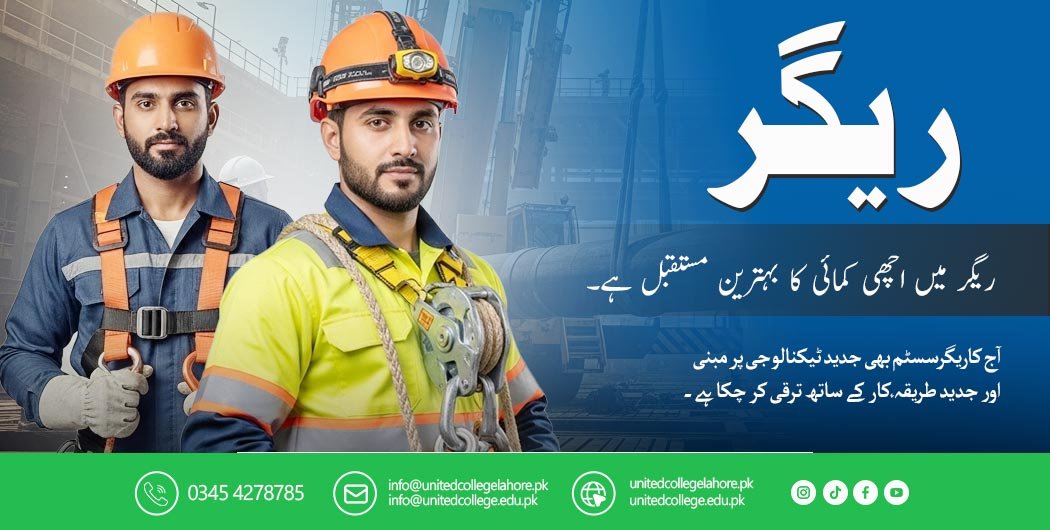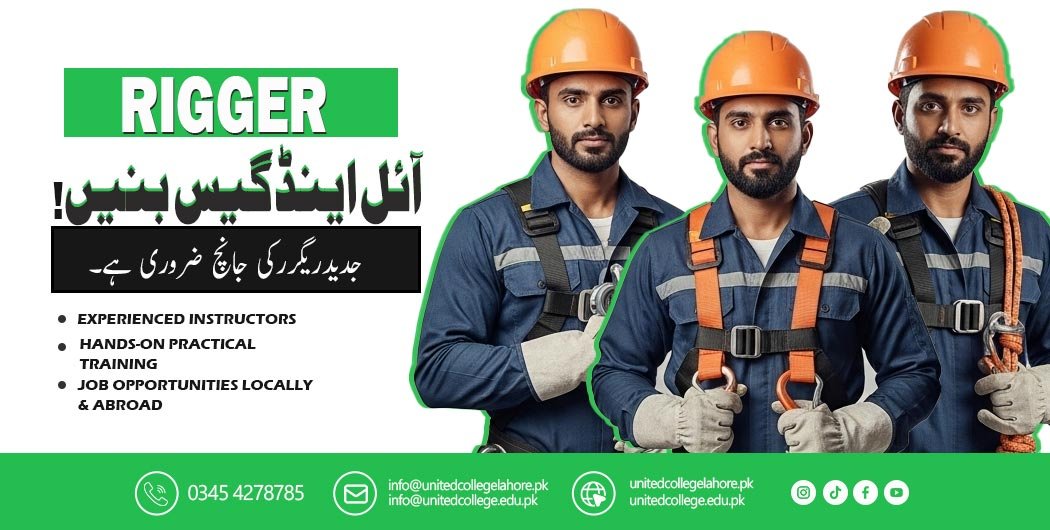



Learn Essential Lifting and Rigging Skills Through a Professional Rigger Course in Lahore with Expert Training
The Rigger Course in Lahore is an excellent choice for anyone who wants to work in construction, oil and gas, heavy industries, shipping, or infrastructure projects. Skilled riggers are responsible for preparing, securing, and guiding heavy loads during lifting operations, making them an important part of every industrial project.
United College of Technology (UCT) offers practical training that helps students understand real workplace situations instead of learning only from books. Throughout the course, students gain confidence by practicing with professional lifting equipment and learning internationally accepted safety procedures. Therefore, graduates are better prepared for employment in Pakistan and abroad.
Learn the Skills That Employers Actually Need
A professional Rigger Course does much more than attach ropes or chains to a load. Every lifting operation requires planning, inspection, communication, and proper safety measures. During the training, students learn how to:
- Select the correct lifting equipment, inspect rigging gear, understand load calculations, perform safe lifting operations, follow safety regulations, use lifting accessories correctly, communicate with crane operators, identify workplace hazards, and prepare lifting plans.
These practical skills are valuable because employers prefer workers who can safely complete lifting tasks without risking people or equipment.
Practical Training Makes the Difference
Reading about lifting equipment is helpful, but using it in real situations builds confidence. UCT places strong emphasis on practical sessions where students work with different rigging tools and equipment under the guidance of experienced instructors.
Moreover, students practice proper sling selection, knot tying, load balancing, signaling techniques, and equipment inspection. This hands-on approach helps learners understand how lifting operations are carried out on actual job sites.
Discover What You'll Study Throughout the Course
The training is designed for beginners as well as workers who want to improve their technical skills. Students usually study topics such as:
- Introduction to rigging
- Types of lifting equipment
- Slings, shackles, hooks, and lifting accessories
- Safe lifting techniques
- Load weight estimation
- Center of gravity calculations
- Crane hand signals
- Hazard identification
- Personal protective equipment (PPE)
- Inspection and maintenance of rigging equipment
- Lifting plans and risk assessment
- Emergency procedures during lifting operations
Each topic is explained in simple language before moving to practical demonstrations.
Professional Equipment Training Builds Real Confidence
Many companies expect riggers to understand different lifting tools before joining a project. For this reason, students receive exposure to commonly used equipment.
They become familiar with chain slings, wire rope slings, synthetic web slings, lifting beams, hooks, shackles, eye bolts, turnbuckles, and other rigging accessories. However, learning how to inspect this equipment is just as important as learning how to use it. A damaged sling or incorrectly connected shackle can cause serious accidents. Therefore, equipment inspection remains a major part of the training.
Who Can Join This Course?
One of the biggest advantages of this training is that it is suitable for people from different educational backgrounds. Whether you are a fresh student, a technician, a construction worker, or someone looking for a better career, this course can help you develop valuable industrial skills.
Basic reading and communication skills are generally enough to begin learning, while a positive attitude and willingness to practice make the learning process even easier.
Learn from Industry-Experienced Instructors
Practical knowledge often comes from experienced professionals rather than textbooks alone. At United College of Technology (UCT), instructors explain industrial procedures using real examples from construction sites and lifting operations.
Moreover, students are encouraged to ask questions during practical sessions. This interactive learning environment helps learners understand why every safety rule matters.
Course Duration, Certificate, and Admission Process
The Rigger Course is structured to provide a balance between classroom learning and practical training. While schedules may vary depending on the training batch, many students complete the program within a few months through regular classes.
After completing the training and assessments, students receive a course completion certificate that demonstrates their knowledge and practical skills. This certificate can strengthen a job application and show employers that the candidate has received structured rigging training.
The admission process is usually straightforward. Applicants visit the admission office, submit the required educational documents and identification, complete the registration process, and receive information about class timings and the upcoming training schedule.
Where Can a Certified Rigger Work?
After completing the Rigger Course in Lahore, graduates can apply for jobs in many industries where lifting operations are carried out regularly.
Construction companies, oil and gas projects, manufacturing plants, power stations, warehouses, shipyards, engineering companies, steel industries, and infrastructure development projects all require trained riggers.
Moreover, many Gulf countries regularly hire qualified riggers for large industrial projects. As a result, certified professionals often find opportunities both in Pakistan and internationally.
Career Growth Starts with Strong Practical Skills
A beginner may start as a helper or junior rigger, but experience opens the door to higher positions. With additional certifications and workplace experience, professionals can progress toward senior rigger, lifting supervisor, lifting coordinator, or safety-related roles. Learning industry standards and following safe working practices can also improve long-term career prospects.
Before exploring more career-related questions, students interested in technical trades often also consider the Welding Course in Lahore, as both fields play an important role in industrial construction and heavy engineering projects. Likewise, many students also explore the Quantity Surveyor Course in Lahore because it offers valuable skills in construction cost estimation, project budgeting, and contract management, making it another excellent career option within the construction industry.
Take the First Step Toward a Skilled Industrial Career
The Rigger Course in Lahore provides practical knowledge, technical confidence, and workplace safety skills that employers value. Whether your goal is to start your first technical job or improve your existing experience, professional training can make a meaningful difference.
United College of Technology (UCT) combines classroom learning with hands-on practice so students understand real industrial lifting operations. With experienced instructors, practical sessions, and a recognized certificate, this course prepares learners for rewarding opportunities in construction, engineering, manufacturing, and industrial projects across Pakistan and abroad.
Ready to Enroll in Rigger Course in Lahore?
Apply now at UCT Lahore — morning and evening batches available.
Training Gallery