


Plumbing Course in Chiniot: Gain Hands-On Skills That Matter
Shape Practical Skills for Real Building Work
A working plumbing system is easy to notice only when something goes wrong. A dripping pipe, blocked drain, weak water flow, or poorly connected fixture can quickly disturb daily routines. This is why plumbing is more than simply joining pipes. It involves understanding water movement, choosing suitable materials, using tools correctly, and completing each task with care. For beginners in Chiniot, learning these skills through structured technical training can provide a useful foundation for practical work.
A Plumbing Course in Chiniot can introduce learners to the basic ideas behind plumbing systems while gradually moving toward hands-on tasks. Instead of memorizing technical names alone, students can learn how different parts work together. The learning process can cover pipe fitting, water pipelines, drainage, sanitary fittings, repairs, maintenance, and safe working methods.
Start with the Hidden Network Behind Every Building
Plumbing systems work through a connected arrangement of pipes, valves, fittings, outlets, and drainage lines. Before performing any installation, a beginner needs to understand what each part does and where it belongs. A Plumbing Course in Chiniot can help learners understand these basic routes through simple examples.
They may study how water pipelines reach bathrooms, kitchens, washing areas, and other fixtures. This foundation makes later practical lessons easier because students begin to see a building's plumbing as one connected system rather than a collection of separate pipes.
Turn Everyday Tools into Working Skills
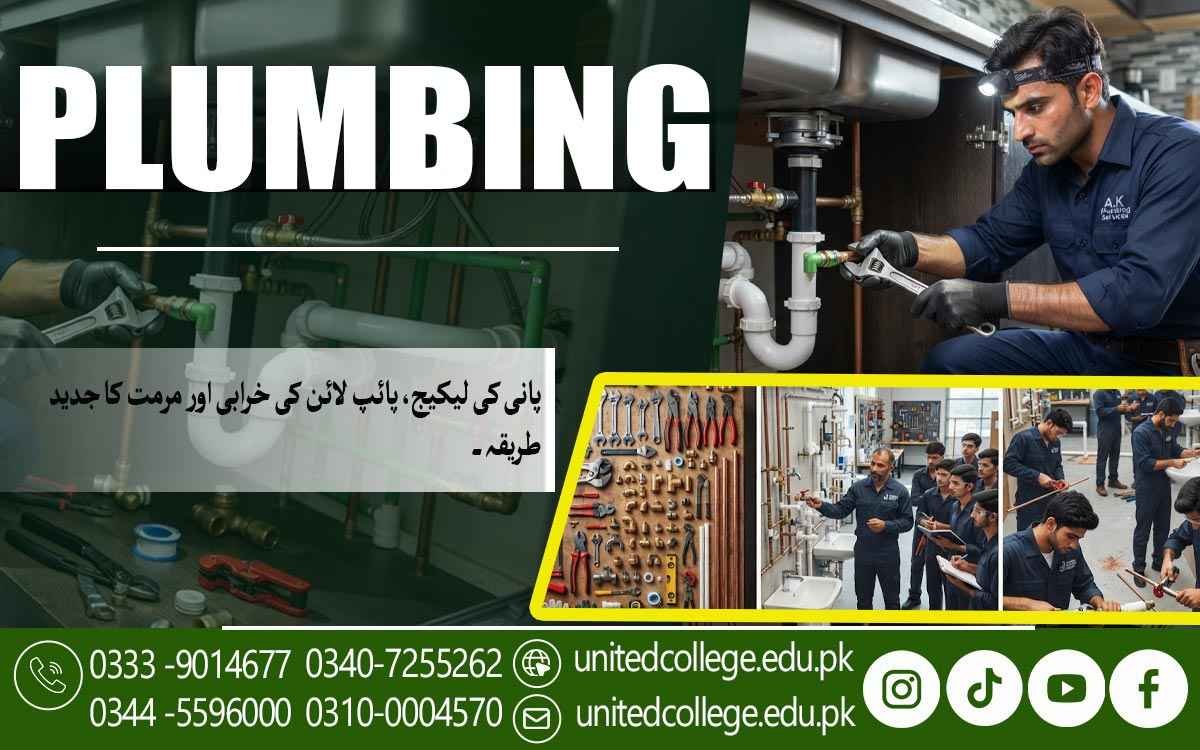
Plumbing tools are not difficult to understand when learners see their purpose through actual tasks. Pipe cutters, wrenches, measuring tools, screwdrivers, pliers, and other equipment each have a specific role. Using the right tool can make a task more controlled and reduce avoidable mistakes.
During plumbing classes, beginners can become familiar with tool selection, handling, storage, and basic care. They can also learn why measurements matter before cutting or joining a pipe. These small habits are important because practical plumbing work depends on accuracy as much as physical effort.
Give Every Pipe and Fitting a Purpose
Different pipes and fittings serve different functions, so learning to identify them is an important part of technical training. Elbows can change the direction of a pipe, tees can create branches, connectors can join sections, and valves can control water movement. Understanding these components helps learners make better decisions during installation.
Pipe fitting also requires attention to alignment and connection quality. A beginner can practice measuring pipe sections, preparing joints, and arranging fittings according to a simple layout. With repeated practice, technical terms become easier to understand because learners can connect each component with a real plumbing task.
Build Water Lines with Accuracy, Not Guesswork
Installing a water line requires more than placing a pipe between two points. The route, measurements, connections, and fixture positions all need attention. A small mistake in one section can affect the way the complete line works.
A plumbing training program can introduce learners to basic water supply arrangements through practical exercises. They can study how lines move from a supply point toward different outlets and how fittings are used along the route. This type of practice helps beginners understand why planning should come before installation and why every connection deserves a careful check.
Follow the Path of Waste Water
Drainage systems have a different purpose from water supply lines, but they are equally important in a building. Used water must move away from sinks, bathrooms, kitchens, and other points without creating unnecessary problems. Poor connections or unsuitable arrangements can contribute to leakage, blockage, or unpleasant conditions.
Learners in Chiniot can explore drainage layouts and basic wastewater connections through a Plumbing Course in Chiniot. They can also become familiar with common causes of blockages and the importance of keeping drainage routes clear. Understanding the direction and purpose of each drainage section gives beginners a stronger grasp of complete plumbing systems.
Bring Bathrooms and Kitchens into the Learning Space
Bathrooms and kitchens provide useful examples of how several plumbing components work together. A bathroom may include a wash basin, toilet, shower, taps, water supply lines, and drainage connections. A kitchen can involve sink connections, water lines, waste pipes, and related fittings.
Practical exercises can help learners understand how sanitary fittings are connected and positioned. They can study the relationship between incoming water and outgoing waste while learning to check joints and connections. These tasks make technical concepts easier to remember because learners can relate them to familiar building areas.
Trace Problems Before Reaching for a Repair
Good plumbing work also involves finding the reason behind a problem. A visible water drop does not always reveal the exact source of a leak. Similarly, slow drainage may come from a blockage somewhere along the line rather than directly beneath the fixture.
Through practical troubleshooting, learners can develop a step-by-step approach to common plumbing issues. They can learn to inspect visible connections, follow pipe routes, check fittings, and identify possible leakage points before attempting a repair. Basic leak detection and pipe repair knowledge can make maintenance work more organized and less dependent on guesswork.
Make Safety Part of Every Technical Task
Plumbing involves tools, cutting equipment, water connections, confined areas, and sometimes wet or slippery surfaces. Safe working habits therefore need to become part of the learning process from the beginning. Learners should understand the importance of appropriate protective equipment, careful tool handling, clean work areas, and controlled working methods.
A Plumbing Course in Chiniot can introduce these principles alongside technical lessons instead of treating safety as a separate idea. Students can learn to inspect their workspace, handle equipment responsibly, and check connections before considering a task complete. These habits support both personal safety and better-quality practical work.
Build Your Next Skill Through Practice
Learning plumbing is a gradual process. A beginner may start by identifying tools and fittings, then move toward pipe cutting, joining, water lines, drainage work, fixtures, troubleshooting, and maintenance. Each stage adds another part to the overall skill set. For learners in Chiniot, the Plumbing Course in Chiniot at United College of Technology provides a setting to explore plumbing through relevant technical concepts and practical skill development.
A practical skill becomes more useful when knowledge turns into action. By learning how plumbing systems are arranged, how materials are handled, and how common problems are approached, students can develop a clearer understanding of plumbing work. Taking that first learning step can be the beginning of a longer journey toward stronger technical ability in installation, repair, and building maintenance.
Frequently Asked Questions (FAQs)
A basic interest in practical work, willingness to learn, and careful attention to instructions can help beginners start comfortably.
Proper alignment helps create neat connections and supports the correct arrangement of water and drainage lines.
The work may be checked for secure fittings, visible leaks, proper fixture connections, and other signs that the installation needs adjustment.
Materials are selected and arranged according to the purpose of the area, such as supplying water to a sink or directing waste from a bathroom.
Keeping track of pipe routes and checking one section at a time can make maintenance tasks more organized and easier to handle.
Yes. Beginners can learn to understand simple plumbing layouts so they can recognize supply routes, drainage paths, fixtures, and connection points.
Admission Open: Start Your Professional Journey Today!
Join United College of Technology and build a career with practical training, recognized certifications, and Gulf job support. Seats are limited.
Apply Now via WhatsAppContact Information
- Address: Rawalpindi: F-272 Main New Katarian Stop, Old IJP Road | Lahore Campus: Lahore, Pakistan
- Phone/WhatsApp: 0333-9014677 / 0344-5596000 / 0310-0004570 / 0301-5044340 / 0340-7255262
- Website: unitedcollege.edu.pk














Leave a Comment