


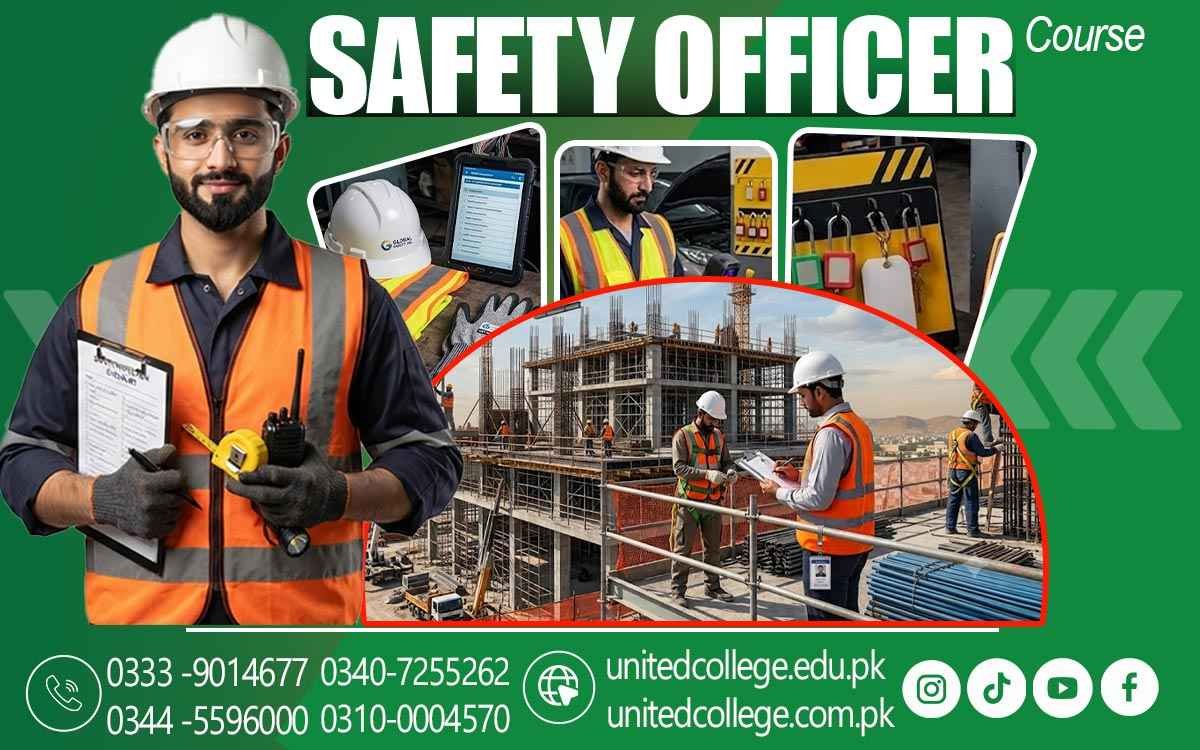

Safety Officer Course in Swabi for Professional Safety Training
Building a Foundation in Occupational Health and Safety
Occupational health and safety focuses on protecting workers from injuries, illnesses, and other workplace dangers. Every industry has different safety requirements, depending on the equipment, materials, and tasks involved. Understanding these requirements is important for creating a safer environment for employees and visitors.
During the Safety Officer Course in Swabi, students can learn about the basic principles of workplace safety, employee responsibilities, safety awareness, and accident prevention. They can also explore how safety officers support organizations by identifying unsafe conditions and helping workers understand the correct procedures for performing their duties.
A strong foundation in occupational health and safety helps learners understand the relationship between safety management and effective workplace operations. When organizations take preventive measures and employees follow established safety instructions, they can reduce avoidable risks and improve working conditions.
Studying Common Workplace Hazards
Workplace hazards are conditions or activities that can potentially cause injuries, illnesses, or property damage. Common examples include exposed electrical wires, slippery surfaces, moving machinery, falling objects, chemical exposure, excessive noise, and unsafe lifting practices. Recognizing these hazards is an important part of workplace risk management.
The Safety Officer Course in Swabi introduces learners to different types of hazards, including physical, chemical, electrical, biological, and ergonomic hazards. Students can learn how workplace inspections and observations help identify dangerous conditions before they result in an accident.
Hazard identification is especially important in construction projects, industrial facilities, workshops, and manufacturing units. A safety officer may report unsafe conditions, recommend corrective actions, and communicate risks to the responsible team. These practices help organizations improve workplace safety and protect employees from preventable harm.
Understanding Safety Policies and Regulations
Safety policies and regulations provide guidance for maintaining safe working conditions and controlling workplace risks. They may cover machinery operation, electrical installations, fire prevention, chemical handling, emergency exits, and the proper use of personal protective equipment. Following applicable requirements helps organizations manage their safety responsibilities.
Through the Safety Officer Course in Swabi, learners can develop an understanding of occupational health and safety procedures, workplace instructions, inspection records, and safety documentation. They can also learn why employees and employers must understand their responsibilities under relevant safety requirements.
Safety officers help communicate workplace rules and encourage employees to follow approved procedures. Regular safety briefings, clear instructions, and proper documentation can support a stronger safety culture. Knowledge of safety policies also helps learners recognize unsafe practices and understand how organizations can improve their safety management systems.
Practicing Workplace Risk Evaluation
Workplace risk evaluation, commonly known as risk assessment, involves identifying hazards and determining how likely they are to cause harm. It also considers the possible severity of an incident and the measures needed to reduce the risk. This process supports informed decisions about workplace safety.
Students enrolled in the Safety Officer Course in Swabi can learn the basic steps of risk assessment, including identifying hazards, determining who may be affected, evaluating risks, selecting control measures, and reviewing the results. They can explore examples involving electrical equipment, machinery, working at heights, and manual handling.
Effective risk assessment helps organizations take preventive action before an accident occurs. For example, a safety officer may recommend installing machine guards, improving ventilation, restricting access to dangerous areas, or introducing safer work procedures. Learning these methods helps students understand how risk management contributes to safer and more efficient operations.
Managing Emergency Situations and Fire Risks
Emergency preparedness is an essential part of occupational health and safety. Workplaces may face emergencies involving fires, electrical incidents, equipment failures, chemical spills, or other dangerous situations. Employees need to understand how to report emergencies, follow evacuation procedures, and protect themselves from immediate danger.
The Safety Officer Course in Swabi covers important fire safety and emergency management concepts. Students can learn about identifying fire hazards, keeping emergency exits clear, understanding alarm systems, recognizing evacuation routes, and following workplace emergency plans.
Safety officers may assist with emergency drills, safety awareness sessions, and the preparation of emergency procedures. Workers should understand their designated assembly points and know whom to contact during an emergency. Practical fire extinguisher training should be provided by qualified instructors, and firefighting should only be attempted when conditions are safe and the person is properly trained.
Learning Proper Equipment Safety Procedures
Equipment safety involves using, inspecting, and maintaining workplace tools and machinery according to established procedures. Improper operation, damaged equipment, missing guards, and inadequate training can increase the risk of injuries. Employees must understand the hazards associated with the equipment they use.
During the Safety Officer Course in Swabi, learners can explore basic equipment safety principles, including pre-use inspections, safe operating procedures, maintenance reporting, and the importance of protective guards. They can also understand why equipment should only be operated by authorized and properly trained personnel.
Electrical tools, industrial machinery, lifting equipment, and workshop instruments require suitable safety precautions. Safety officers help communicate these requirements and encourage employees to report damaged equipment rather than continue using it. Following appropriate procedures can reduce accidents and support reliable workplace operations.
Developing Skills in Accident Prevention
Accident prevention involves identifying unsafe conditions, improving work procedures, and encouraging employees to follow safety instructions. Many workplace incidents can be reduced through proper planning, regular inspections, employee training, and effective communication between workers and management.
The Safety Officer Course in Swabi helps learners understand common causes of workplace accidents and the importance of taking preventive action. Students can study examples involving slips, trips, falls, machinery incidents, electrical hazards, and improper handling of materials. They can also learn why near misses should be reported and investigated.
Accident prevention requires continuous attention rather than a single inspection or training session. Safety officers may assist with safety meetings, hazard reporting, incident documentation, and corrective action plans. These activities help organizations identify weaknesses in their existing procedures and improve their occupational health and safety performance.
Understanding Responsibilities of a Safety Officer
A safety officer helps an organization identify workplace hazards, monitor safety practices, and promote compliance with applicable health and safety requirements. Depending on the workplace, responsibilities may include inspections, risk assessments, safety documentation, incident reporting, employee awareness, and emergency planning.
By studying the Safety Officer Course in Swabi, learners can develop an understanding of the duties performed by safety professionals in construction, manufacturing, engineering, and industrial environments. They can learn why clear communication, attention to detail, accurate reporting, and responsible decision-making are important in this field.
Individuals who want to pursue safety-related employment should also consider practical experience and further professional development. Depending on the employer, additional certifications, industry-specific knowledge, and previous work experience may be required. Building these qualifications can help learners prepare for suitable opportunities in occupational health and safety.
Frequently Asked Questions (FAQs)
The Safety Officer Course in Swabi is a training program that introduces students to occupational health and safety, workplace hazards, risk assessment, emergency response, and accident prevention.
The course may cover hazard identification, workplace safety regulations, risk evaluation, fire prevention, personal protective equipment (PPE), equipment safety, and accident reporting.
Fresh students, job seekers, and individuals interested in workplace safety may consider this course. Applicants should confirm the eligibility criteria with United College of Technology.
A safety officer helps identify workplace hazards, conduct safety inspections, evaluate risks, maintain safety records, and promote safe working practices among employees.
Depending on qualifications and experience, learners may pursue roles such as safety assistant, junior safety officer, HSE assistant, or site safety support staff.
Admission Open: Start Your Professional Journey Today!
Join United College of Technology and build a career with practical training, recognized certifications, and Gulf job support. Seats are limited.
Apply Now via WhatsAppContact Information
- Address: Rawalpindi: F-272 Main New Katarian Stop, Old IJP Road | Lahore Campus: Lahore, Pakistan
- Phone/WhatsApp: 0340-7255262 / 0333-9014677 / 0301-5044340 / 0310-0004570 / 051-8770756
- Website: unitedcollege.edu.pk
















Leave a Comment