


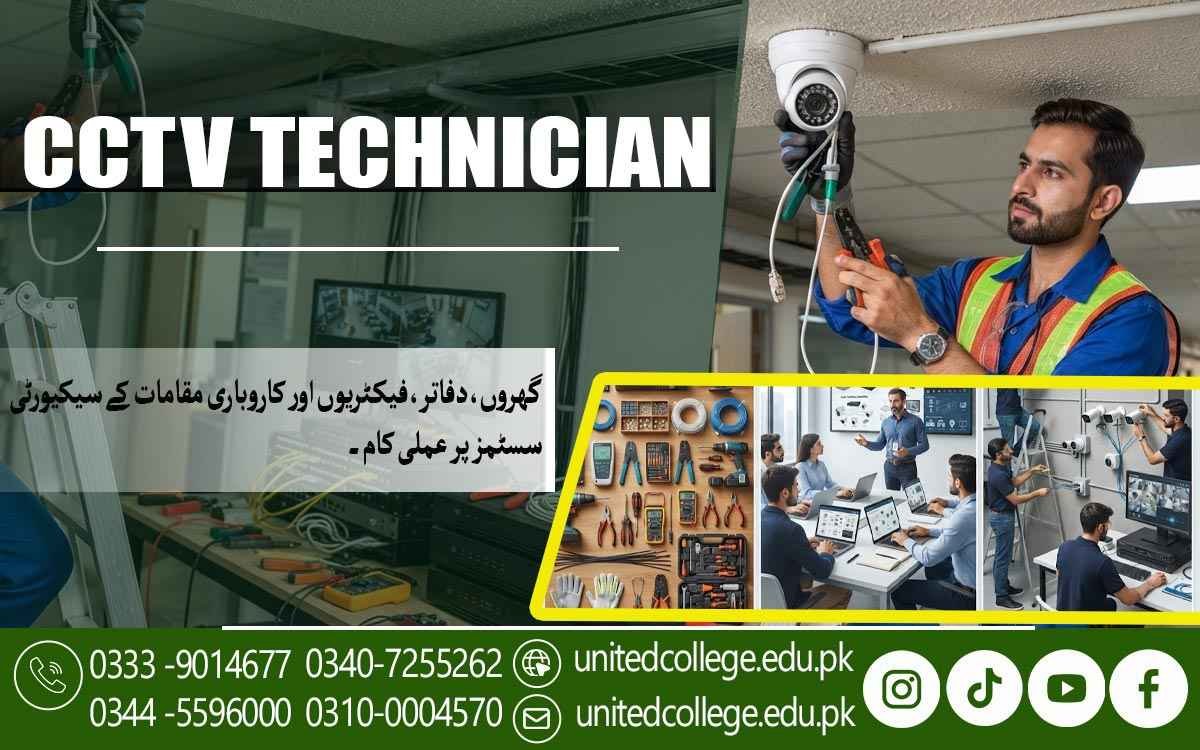

CCTV Technician Course in Mansehra for Technical Growth
Introduction to Professional CCTV Training
CCTV training has become an important technical skill in today’s security-focused world because surveillance systems are widely used in almost every sector. Homes, offices, shopping malls, educational institutes, hospitals, factories, and commercial areas depend on CCTV technology to improve safety and monitor important activities. The CCTV Technician Course in Mansehra is designed to provide students with complete knowledge of modern security systems and prepare them for professional opportunities in this growing field.
The training focuses on practical learning instead of only theoretical knowledge. Students get familiar with real security equipment and learn how technicians handle different types of CCTV projects. This practical approach improves their confidence and helps them develop the skills required for professional installation and maintenance work.
Modern security systems are continuously improving with advanced features such as high-resolution cameras, artificial intelligence-based monitoring, remote viewing, and smart detection systems. The course helps students understand these latest developments so they can work with updated technologies and meet current industry requirements. The demand for trained CCTV technicians is increasing because organizations need skilled professionals who can install, configure, and maintain reliable surveillance systems. By completing professional CCTV training in Mansehra, students can develop valuable technical abilities and prepare themselves for a successful career in the security industry.
Learning Camera Installation and Cable Management
Camera installation is one of the most important skills required for a professional CCTV technician. A properly installed camera provides better image quality, accurate monitoring, and complete security coverage. The CCTV Technician Course in Mansehra teaches students professional installation techniques used in residential, commercial, and industrial environments.
Students learn how to analyze a location before installing cameras and identify the best positions for maximum coverage. They understand how factors such as lighting conditions, camera angles, distance, and security requirements affect the performance of a surveillance system. The course provides practical knowledge about mounting cameras, connecting cables, arranging power supplies, and testing installed equipment. Students learn the correct methods of installing different camera types while following professional safety and installation standards.
Cable management is another important part of CCTV installation. Proper wiring improves system performance, reduces connection issues, and creates a clean professional appearance. Students learn about different cables, connectors, and cable protection methods used in modern surveillance systems. Through hands-on practice, learners develop the ability to complete CCTV installation projects confidently. These practical skills prepare them to work with security companies, businesses, and clients who require professional surveillance installation services.
Understanding Security System Components
A complete understanding of CCTV components is necessary for becoming a successful security system technician. A CCTV system includes multiple devices that work together to provide effective monitoring and recording. The course helps students understand the function and importance of each component used in surveillance solutions.
Students learn about different types of cameras, DVR systems, NVR systems, monitors, storage devices, power supplies, cables, and networking equipment. They understand how each component contributes to the overall performance of a CCTV system. The training also explains how technicians select suitable equipment according to customer requirements. Different locations require different security solutions, and professionals need knowledge about choosing the right devices for better results.
Students gain knowledge about CCTV accessories and supporting tools that are required during installation and maintenance. This understanding helps them manage complete projects more effectively and solve technical problems easily. By learning about security system components, students become capable of designing, installing, and maintaining professional CCTV solutions. This knowledge improves their technical confidence and prepares them for practical work in the security sector.
Developing CCTV Configuration Knowledge
CCTV configuration is an essential skill that allows technicians to properly set up, manage, and operate surveillance systems. After installing cameras and other hardware, correct configuration is necessary to ensure that the complete system works efficiently. The CCTV Technician Course in Mansehra helps students understand different configuration procedures used in modern security systems. Students learn how to configure CCTV cameras, recording devices, and monitoring systems according to specific security requirements. They understand how to connect cameras with DVR and NVR devices, adjust recording settings, manage storage options, and test system performance after installation.
The course also introduces learners to IP camera configuration and network-based surveillance solutions. Students learn how cameras communicate through networks and how proper settings improve remote access and monitoring capabilities. Understanding configuration settings helps technicians provide better security solutions to clients. They become capable of managing different CCTV systems and solving setup-related issues professionally.
Students also learn how to customize surveillance systems according to different locations. Whether it is a small home installation or a large commercial project, proper configuration knowledge allows technicians to deliver reliable results. With advanced configuration skills, learners can work confidently on modern CCTV projects. This expertise increases their professional value and creates more career opportunities in the security technology industry.
Practicing Maintenance and Troubleshooting Skills
Maintenance and troubleshooting are important responsibilities of every CCTV technician because surveillance systems require regular checking and technical support. Even properly installed systems may experience problems due to equipment faults, connection issues, power failures, or environmental conditions. The CCTV Technician Course in Mansehra provides practical knowledge about identifying and solving common CCTV problems. Students learn how to inspect cameras, check cables, test connections, and find the reasons behind different technical issues.
Learners understand how to handle problems such as unclear video quality, camera not working, recording errors, storage issues, and network connectivity problems. These troubleshooting skills help technicians restore CCTV systems quickly and effectively. The training also focuses on preventive maintenance techniques that improve the performance and lifespan of security equipment. Students learn the importance of regular inspection, cleaning, system checking, and updating settings when required.
Professional maintenance services help organizations keep their surveillance systems active and reliable. Skilled technicians who can provide both installation and maintenance services have better opportunities in the security field. By developing troubleshooting abilities, students become more confident in handling real workplace challenges. These skills prepare them to provide complete CCTV solutions, including installation, repair, and technical support.
Exploring Advanced Surveillance Techniques
Modern surveillance technology is continuously developing with advanced features that improve security and monitoring capabilities. The CCTV Technician Course in Mansehra introduces students to new surveillance methods and modern security solutions used in today’s industry. Students learn about smart cameras, motion detection systems, remote monitoring, and network-based surveillance technologies. These advanced features help organizations improve security management and monitor locations more effectively.
The course explains how modern CCTV systems can be connected with mobile applications and online platforms for easy access. Students understand how remote viewing allows users to monitor security footage from different locations. Learners also explore the role of smart surveillance solutions in homes, businesses, and industrial environments. Understanding these technologies helps technicians provide better solutions according to changing security requirements.
Advanced surveillance knowledge allows students to stay updated with industry trends. As security systems become more digital and intelligent, technicians with modern skills have better career opportunities. By learning advanced techniques, students can improve their professional abilities and become capable of working with future security technologies.
Career Growth in CCTV and Security Sector
The security industry is growing rapidly, creating a strong demand for trained CCTV technicians. Businesses, offices, schools, hospitals, factories, and residential communities require professionals who can install, manage, and maintain surveillance systems. After completing the CCTV Technician Course in Mansehra, students can explore different career paths in the security field. They can work as CCTV installers, surveillance technicians, security system operators, maintenance professionals, or technical support staff.
The course provides practical skills that help learners meet workplace requirements. With proper training and experience, technicians can work with security companies, technology firms, construction projects, and private organizations.CCTV professionals also have opportunities for self-employment. Skilled technicians can start their own CCTV installation and repair services and provide security solutions to residential and commercial clients.
The continuous growth of security technology creates new opportunities for individuals with technical knowledge. Professionals who continue improving their skills can achieve better career positions and financial growth. By gaining expertise in CCTV systems, students can build a stable career in the security industry and benefit from increasing demand for surveillance solutions.
Becoming a Skilled Security System Technician
Becoming a skilled CCTV technician requires a combination of technical knowledge, practical experience, and continuous learning. The CCTV Technician Course in Mansehra helps students develop the abilities needed to work professionally in the security technology sector. The training covers important areas such as camera installation, system configuration, networking, maintenance, and troubleshooting. These skills allow students to understand complete CCTV projects and handle different technical requirements.
Practical training helps learners gain confidence in using professional tools and equipment. Students learn how to complete installations, solve technical issues, and provide effective security solutions according to customer needs. As technology continues to advance, professional technicians need to keep updating their knowledge. Learning modern CCTV systems and smart surveillance solutions helps individuals remain competitive in the job market.
A trained CCTV technician can find employment opportunities or start an independent business in the security field. The skills gained through this course provide a strong foundation for professional growth. By completing CCTV Technician training, students can prepare themselves for a successful future and become valuable professionals in the growing surveillance and security industry.
Frequently Asked Questions (FAQs)
The CCTV Technician Course in Mansehra is a professional training program that teaches students about CCTV installation, camera setup, wiring, DVR/NVR configuration, networking, troubleshooting, and maintenance of modern security systems.
This course is suitable for beginners, students, job seekers, and individuals who want to develop technical skills in the security and surveillance industry. Anyone interested in CCTV technology can join this training.
Students learn CCTV camera installation, cable management, DVR and NVR setup, IP camera configuration, remote monitoring, CCTV networking, system maintenance, and troubleshooting techniques required for professional work.
Yes, the course focuses on practical learning. Students get hands-on experience with CCTV cameras, recording devices, wiring methods, configuration procedures, and solving common technical problems.
The training covers different surveillance systems, including analog cameras, IP cameras, dome cameras, bullet cameras, DVR systems, NVR systems, and other modern security equipment.
Admission Open: Start Your Professional Journey Today!
Join United College of Technology and build a career with practical training, recognized certifications, and Gulf job support. Seats are limited.
Apply Now via WhatsAppContact Information
- Address: Rawalpindi: F-272 Main New Katarian Stop, Old IJP Road | Lahore Campus: Lahore, Pakistan
- Phone/WhatsApp: 0340-7255262 / 0333-9014677 / 0301-5044340 / 0310-0004570 / 051-8770756
- Website: unitedcollege.edu.pk
















Leave a Comment