


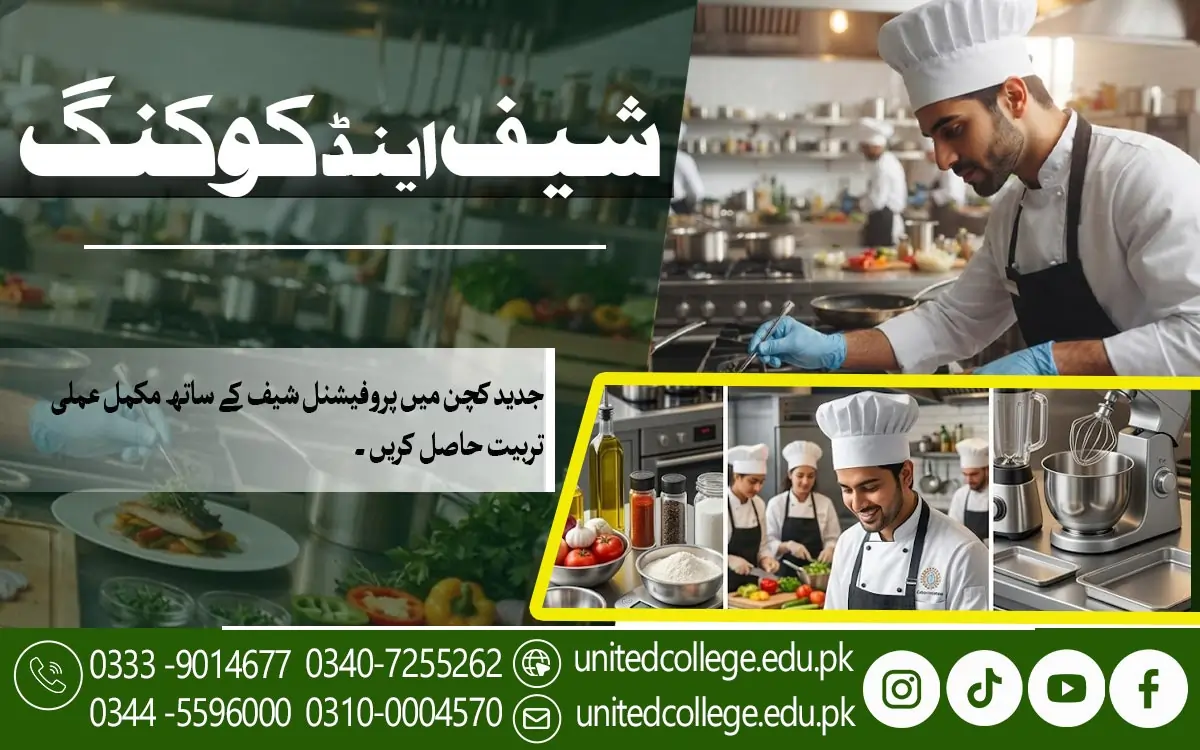

Chef and Cooking Course in Bannu: Building Strong Culinary Foundations
Chef and Cooking Course in Bannu for Creative Skills and Professional Kitchen Confidence
Cooking is more than preparing food to satisfy hunger. It combines creativity, planning, practical knowledge, and the ability to turn simple ingredients into enjoyable meals. For beginners who want to improve their cooking skills or explore a future in the food industry, professional training can provide a useful starting point. The Chef and Cooking Course in Bannu introduces learners to important culinary concepts and helps them understand how food preparation works in an organized kitchen.
Students, fresh learners, job seekers, and people interested in developing personal cooking skills can benefit from learning the right techniques. Instead of relying only on guesswork, learners can understand recipes, follow preparation steps, manage ingredients, and pay attention to the quality of each dish. These skills are useful for everyday cooking and can also support further learning in professional food preparation.
From Simple Ingredients to Skills That Make Every Dish Better
Good cooking begins before a pot reaches the stove. Learners need to understand ingredients, recognize their basic qualities, and prepare them correctly for different recipes. Food preparation skills include washing vegetables, peeling ingredients, cutting food into suitable sizes, measuring quantities, and arranging everything before cooking starts. These small tasks help make the cooking process smoother and more organized.
Through regular practice, beginners become more familiar with recipes and learn to complete kitchen tasks with greater care. The Chef and Cooking Course in Bannu can help learners develop a stronger understanding of these essential steps. Rather than rushing through a recipe, they can learn to prepare ingredients in the correct order and pay attention to details that influence taste, appearance, and consistency.
Mastering Cooking Techniques That Bring Recipes to Life
Different dishes require different cooking methods, and understanding these methods helps learners prepare food more effectively. Boiling and steaming are useful for certain vegetables and other ingredients, while frying, grilling, roasting, and sautéing create different textures and flavours. Baking also requires attention to measurements, temperature, and cooking time. Learners need to understand that changing the heat or cooking duration can affect a dish's texture and overall quality.
Professional Cooking Training in Bannu can introduce beginners to these methods and help them understand when each technique may be suitable. Another important skill is seasoning. Salt, herbs, spices, and other flavouring ingredients must be used thoughtfully to create balanced dishes. Learners can gradually improve their judgement by observing results and practising different recipes.
Creating Appealing Meals Through Taste, Texture, and Presentation
A well-prepared meal should offer more than good flavour. Texture, colour, arrangement, and serving style also influence how people experience food. A dish may taste delicious, but careful presentation can make it more inviting. Learners can explore how to arrange food neatly, select suitable serving dishes, and create a balanced appearance without making presentation unnecessarily complicated.
For example, cooking vegetables for too long may change their colour and texture, while incorrect baking measurements may affect the shape or softness of a baked item. By paying attention to these details, learners can improve their results step by step. These practical lessons encourage creativity while helping students understand that quality cooking depends on both careful preparation and thoughtful finishing.
Building a Cleaner and Safer Kitchen From the Start
Cleanliness and food safety are essential parts of responsible cooking. Learners must understand how to keep preparation areas clean, wash their hands properly, and handle raw and ready-to-eat foods with care. Using separate utensils when needed helps reduce the risk of cross-contamination. Proper storage also matters because ingredients can lose quality or become unsafe when handled incorrectly.
Knives, hot pans, ovens, electrical appliances, and other kitchen tools require careful use. Keeping work areas tidy can reduce accidents and make everyday tasks easier. The Chef and Cooking Course in Bannu can help learners appreciate why these habits belong in every kitchen, whether they are preparing a meal at home or learning in a professional environment.
Learning the Rhythm of an Organized Professional Kitchen
A busy kitchen requires planning as well as cooking ability. When several dishes need preparation at the same time, learners must understand which tasks should be completed first and how to use their time effectively. Preparing ingredients in advance, keeping tools within reach, and following a clear sequence can prevent unnecessary delays. Kitchen Management Skills also include maintaining an orderly workspace, checking ingredients before starting, and cleaning equipment after use. Teamwork is another important part of professional cooking.
In restaurants, hotels, and catering settings, different people may handle preparation, cooking, plating, cleaning, and serving. Clear communication helps everyone understand their responsibilities and work together smoothly. Chef Training can help beginners recognize these expectations and understand the importance of reliability, patience, and attention to instructions.
Exploring Food Industry Settings Through Practical Culinary Knowledge
Cooking skills can be useful in several food-related environments. Restaurants and hotels need people who understand food preparation, kitchen routines, cleanliness, and consistent cooking methods. Catering services may involve preparing meals for gatherings, meetings, and special occasions, where planning and timing are especially important. Bakeries offer another area for people interested in learning about baked products, dough preparation, desserts, and related techniques.
The Chef and Cooking Course in Bannu can help learners explore the basic knowledge associated with these different settings and decide which areas interest them most. Professional Chef Skills develop over time through practice, experience, and continued learning. Completing training does not guarantee a job, but a sound understanding of cooking fundamentals can help learners prepare for additional learning or entry-level opportunities where their skills match the requirements.
Turning a Personal Interest in Cooking Into Continued Growth
Learning to cook can also support personal development beyond professional ambitions. People who understand food preparation can plan meals more confidently, try new recipes, and make better use of ingredients in everyday life. Some learners may wish to develop their knowledge of regional dishes, while others may prefer baking, desserts, or international recipes. Regular practice helps them discover their interests and identify areas that need improvement.
Learners should understand that success depends on several factors and cannot be guaranteed through training alone. The course is offered by United College of Technology, providing a learning option for people interested in developing culinary knowledge. By exploring the training content and their own goals, learners can decide how cooking skills may fit into their personal plans or future education.
Take the Next Step Toward More Confident Culinary Practice
Developing strong cooking skills takes time, curiosity, and a willingness to learn from mistakes. Beginners can make progress by practising basic techniques, following recipes carefully, maintaining hygiene, and paying attention to the quality of their results. As their knowledge grows, they can explore more advanced dishes, improve presentation, and become more comfortable with kitchen routines. The Chef and Cooking Course in Bannu offers a relevant starting point for people who want to understand culinary work and build practical food preparation knowledge.
Whether the goal is to improve everyday cooking, explore the food industry, or prepare for further culinary learning, a strong foundation can make the next steps easier to understand. Learners should review the available course information, consider their interests, and choose a training path that suits their goals. With consistent practice and a responsible approach to food preparation, cooking can become a valuable skill that supports creativity, confidence, and continued personal growth.
Frequently Asked Questions (FAQs)
Stock is commonly prepared using bones and vegetables, while broth often includes meat and is usually seasoned for flavour. Learning their uses helps cooks choose the right base for soups and sauces.
Separating recyclable packaging, food scraps, and general waste helps maintain a tidier workspace and supports responsible kitchen practices.
Blanching briefly cooks vegetables in boiling water before they are cooled. This technique can help preserve colour and prepare ingredients for later cooking.
Consistent portions make dishes easier to serve, help maintain a uniform dining experience, and support better planning when preparing meals for several people.
Sauces can add moisture, flavour, and richness to many dishes. Understanding basic sauce preparation helps learners expand their cooking skills and improve recipe variety.
They can study the recipe first, identify unfamiliar steps, prepare ingredients in advance, and practise one technique at a time before attempting more complex meals.
Admission Open: Start Your Professional Journey Today!
Join United College of Technology and build a career with practical training, recognized certifications, and Gulf job support. Seats are limited.
Apply Now via WhatsAppContact Information
- Address: Rawalpindi: F-272 Main New Katarian Stop, Old IJP Road | Lahore Campus: Lahore, Pakistan
- Phone/WhatsApp: 0340-7255262 / 0333-9014677 / 0301-5044340 / 0310-0004570 / 051-8770756
- Website: unitedcollege.edu.pk
















Leave a Comment