


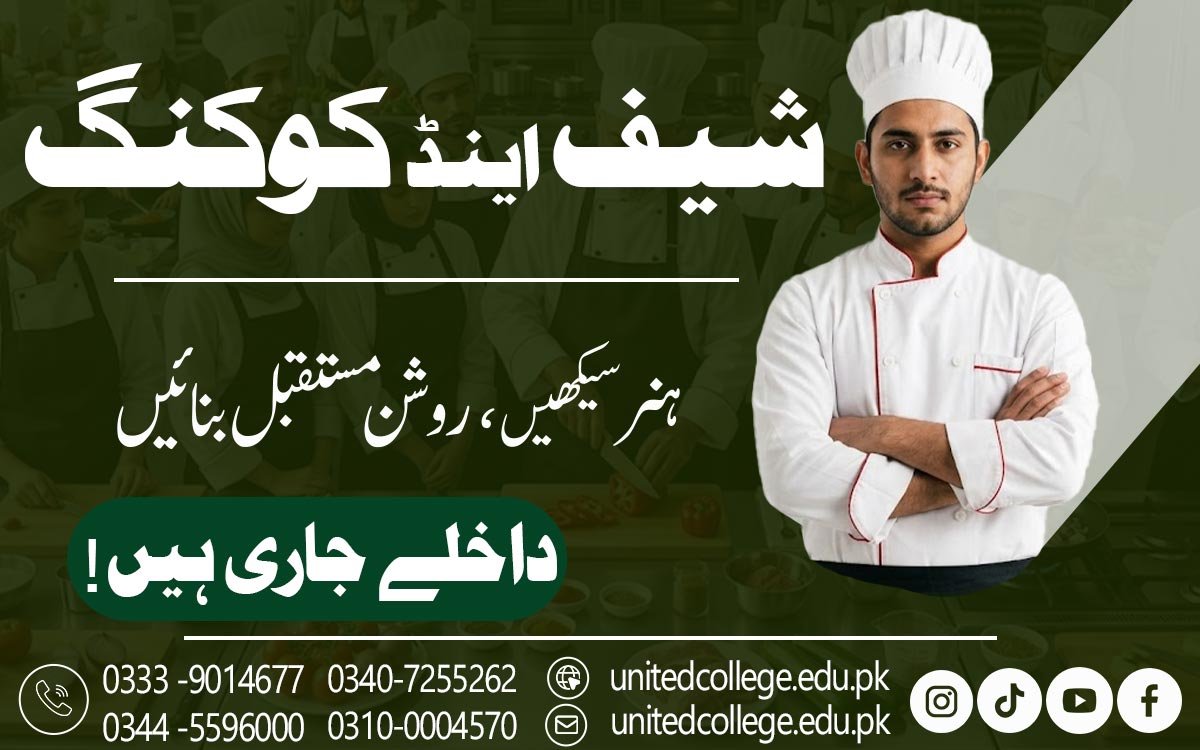

Chef and Cooking Course in Hangu Discovering the Art of Fine Cooking
Chef and Cooking Course in Hangu for Creative Skills and Confident Kitchen Learning
Cooking is a practical skill that combines creativity, patience, and the ability to turn simple ingredients into satisfying meals. Learning to cook also teaches people how to plan their work, follow instructions, and make careful decisions. The Chef and Cooking Course in Hangu can be a useful learning option for beginners, students, fresh learners, and job seekers who want to understand cooking from the basics. Learners do not need professional kitchen experience to get started.
Through regular practice, they can improve their confidence, understand different ingredients, and learn how to prepare meals with greater care. Cooking knowledge is useful in everyday life and may also help learners explore food-related activities in restaurants, hotels, catering services, and other settings. For people in Hangu who want to develop a practical ability, learning culinary skills can provide a meaningful way to improve personal knowledge and discover new interests.
Discover the Skill Behind Every Well-Prepared Meal
Preparing a good meal begins with understanding the ingredients and the steps needed to use them. Learners need to know how to select suitable food items, check their freshness, and prepare them correctly before cooking. Washing vegetables, peeling ingredients, removing unwanted parts, and measuring quantities are important early tasks. Cutting techniques such as slicing, chopping, dicing, and mincing help cooks prepare ingredients in different sizes for different recipes.
Accurate measurements also matter because changing the quantity of flour, water, salt, or spices can affect a dish. Through Chef and Cooking Course in Hangu training, beginners can learn to read recipes carefully, gather the required ingredients, and arrange their tools before starting. For example, preparing a simple vegetable dish involves washing and cutting vegetables, measuring seasoning, choosing a suitable pan, and following the cooking steps in order.
Explore Cooking Methods That Bring Out the Best in Ingredients
Different cooking methods can change the taste, texture, and appearance of food. Boiling uses hot water, steaming cooks food with hot vapour, and frying uses hot oil. Grilling exposes food to direct heat, while baking uses heat inside an oven. Each method works differently, so cooks must consider the type of ingredient, the recipe, and the cooking time. Beginners can start by practising simple tasks such as boiling rice, steaming vegetables, frying eggs, or preparing a basic baked dish.
Excessive heat may burn food, while insufficient cooking can leave some dishes unfinished or unsafe to eat. Seasoning is another important part of cooking. Salt, herbs, spices, and other flavouring ingredients should be added carefully to complement the food rather than overpower it. Basic Cooking Techniques help learners understand why certain steps are used and how to choose an appropriate method. With regular practice, students can recognize common mistakes, adjust their approach, and prepare a wider variety of dishes with growing confidence.
Develop a Careful Approach to Taste, Texture, and Food Quality
Good cooking requires attention to more than the recipe itself. The cook must notice how ingredients change during preparation and decide when a dish is ready to serve. Vegetables should retain a suitable texture, sauces should have the intended consistency, and cooked foods should be prepared according to safe cooking practices. Learners can improve their judgement by observing food throughout the cooking process and comparing the final result with the recipe's intended outcome.
Flavour balance also takes practice. Ingredients with strong tastes should be combined thoughtfully, and seasoning should be adjusted gradually. Food presentation adds another layer of care. Clean plates, suitable serving sizes, and neat arrangements can make a dish more appealing without requiring expensive decorations. Through Culinary Skills Training, learners can understand how preparation, cooking, and presentation work together to create a satisfying meal.
Build Safer Kitchen Habits Through Cleanliness and Equipment Care
A safe kitchen depends on clean working areas, proper food handling, and responsible use of equipment. Learners should wash their hands before preparing food, clean utensils after use, and keep work surfaces free from unnecessary clutter. Raw meat, poultry, and seafood must be kept separate from ready-to-eat foods to reduce cross-contamination. Perishable ingredients should be stored at suitable temperatures, and food should not be used if it shows signs of spoilage.
Kitchen tools also require careful handling. Knives should be used with control, hot pans should be handled with suitable protection, and electrical appliances should be operated according to their instructions. Spills should be cleaned promptly to reduce slipping risks. Learners should also understand why equipment must be cleaned and stored properly after use. Through the Chef and Cooking Course in Hangu training, learners can develop essential Food Safety and Hygiene skills that help protect both the cook and the people who eat the food.
Strengthen Kitchen Organization with Timing and Team Cooperation
Cooking often involves several tasks that must be completed in the correct order. A meal may require vegetables to be prepared, rice to be cooked, a sauce to be heated, and dishes to be served at the same time. Planning helps learners manage these activities without unnecessary delays. They can begin by reading the recipe, checking the required ingredients, preparing utensils, and deciding which steps need the most time.
It helps reduce interruptions and makes the task easier to manage. Time management becomes especially important when preparing several dishes together. Teamwork also matters because people working in the same kitchen must communicate clearly and understand their responsibilities. One person may prepare ingredients while another manages cooking or cleans the work area.
Use Structured Culinary Learning to Turn Practice into Progress
Learning independently can introduce people to cooking, but structured training can help them follow a clearer learning path. Beginners may benefit from progressing from simple recipes to more challenging dishes while developing one skill at a time. They can practise measuring ingredients, using knives safely, controlling heat, preparing sauces, and presenting meals.
A Chef Training Course can also introduce learners to the expectations associated with professional cooking, including careful preparation, cleanliness, teamwork, and responsible equipment use. The Chef and Cooking Course in Hangu is relevant to people who want to explore culinary learning and improve their practical understanding of food preparation. The course is offered by United College of Technology for those interested in developing cooking knowledge.
Apply Cooking Knowledge in Everyday Life and Food-Related Settings
Cooking skills can be useful in many situations beyond a training environment. At home, people can use their knowledge to prepare meals more confidently, follow recipes accurately, and organize kitchen tasks. Restaurants and hotels need food preparation skills, careful timing, cleanliness, and consistency when preparing meals for customers and guests.
Catering services may require cooks to coordinate larger quantities of food, while bakeries focus on products that involve specific preparation and baking methods. Some learners may also explore preparing food for small gatherings or developing a home-based food activity, provided they consider food safety and any applicable local requirements. These are possible ways to use culinary knowledge, not guarantees of employment or income.
Let Every Cooking Session Build a Stronger Foundation
Becoming a capable cook takes time, curiosity, and a willingness to learn from each attempt. Beginners can start with simple meals and focus on accurate measurements, careful ingredient preparation, safe equipment handling, and suitable cooking methods. The Chef and Cooking Course in Hangu can be a starting point for learners who want to understand culinary training and develop abilities that are useful in daily life or may support future professional interests.
Students and job seekers can use the learning process to discover which areas of cooking match their interests, while people who already enjoy preparing food can work towards greater consistency and confidence. The most valuable progress often comes from practising regularly, reviewing mistakes, and applying lessons to the next dish. Good cooking is not only about producing an attractive meal; it also involves responsibility, planning, cleanliness, and respect for ingredients.
Frequently Asked Questions (FAQs)
Ingredients such as lemon juice and vinegar can add brightness to dishes and balance rich flavours. Learning when to use them helps cooks create more balanced recipes.
Understanding suitable ingredient substitutes helps learners adjust recipes when a particular item is unavailable, while considering how the change may affect taste and texture.
Cooks can learn to discuss preferences, plan suitable menu choices, and adjust recipes thoughtfully while checking ingredient suitability and food safety needs.
Exploring traditional methods helps learners understand how different cooking practices developed and how preparation techniques can influence a dish's character.
Reading food labels helps cooks check ingredients, follow storage instructions, review expiry dates, and make informed decisions when selecting packaged products.
Recording recipe changes, preparation steps, and results helps learners track their progress, compare attempts, and remember techniques that worked well.
Admission Open: Start Your Professional Journey Today!
Join United College of Technology and build a career with practical training, recognized certifications, and Gulf job support. Seats are limited.
Apply Now via WhatsAppContact Information
- Address: Rawalpindi: F-272 Main New Katarian Stop, Old IJP Road | Lahore Campus: Lahore, Pakistan
- Phone/WhatsApp: 0340-7255262 / 0333-9014677 / 0301-5044340 / 0310-0004570 / 051-8770756
- Website: unitedcollege.edu.pk
















Leave a Comment